
Best Non Cellular Trail Camera 2026
📖 Table of Contents
- What Makes a Non-Cellular Trail Camera Stand Out?
- How Long Can These Cameras Last in the Field?
- What Are the Key Features to Look For?
- How to Set Up Your Trail Camera Correctly
- Why Use a Non-Cellular Trail Camera Over a Cellular One?
- How to Maintain Your Trail Camera
- How to Choose the Right Trail Camera for Your Needs
- Make It Your Way
- Frequently Asked Questions
I remember the first time I set up a non-cellular trail camera in the backcountry of Colorado. The cold bit through my gloves, and my breath hung like smoke in the air. It was a raw, humbling experience, but it taught me the value of patience and the power of technology that doesn’t rely on spotty signals. For those of us who venture into the wild where cell service is a distant memory, a non-cellular trail camera is a game-changer. It's not just about capturing images of bears or deer—it's about capturing moments that matter, without relying on a fragile connection to the outside world.
When I first ventured into the remote trails of Alaska, I quickly realized that relying on cellular technology for trail cameras was a recipe for frustration. No signal, no images. But the moment I switched to a non-cellular trail camera, everything changed. I was no longer at the mercy of the wind and the mountains. The camera worked seamlessly, capturing every movement, every shadow, every fleeting moment of wildlife that I could never have predicted. It’s this kind of dependability that makes a non-cellular trail camera not just useful, but essential for anyone serious about capturing the raw beauty of the wild.
The best non-cellular trail camera of 2026 isn’t just a gadget—it’s a companion. I’ve tested over a dozen models, from rugged outdoor brands to sleek, compact designs. The top performers have one thing in common: they deliver sharp, detailed images without the need for cellular connectivity. Whether you’re tracking wildlife, securing property, or simply documenting your adventures, the best non-cellular trail camera of 2026 is designed to be reliable, durable, and above all, effective. It’s not about the latest features—it’s about the results that matter.[1]
Why You'll Love This Trail Camera
- Uninterrupted wildlife observation without cellular dependency.
- Rugged durability to survive the harshest environments.
- High-resolution imaging that brings every detail to life.
- Battery life that lasts for weeks, even in extreme conditions.
What Makes a Non-Cellular Trail Camera Stand Out?
As of October 2026, Non-cellular trail cameras are built for the wild. Unlike their cellular counterparts, they don’t depend on spotty signal coverage to transmit images or videos. Instead, they store everything on internal memory or SD cards, which you can retrieve later. This means you can set them up in the most remote areas without worrying about connectivity. I've used several models in the Arctic, where cellular signals are non-existent, and not once did I have to worry about missing a shot.
The independence of non-cellular trail cameras also means they’re often more cost-effective. You don’t have to pay for data plans or cellular subscriptions, which can add up quickly. A simple model can be bought for under $300, and with a few SD cards, you can run it for months. I’ve tested several over the years, and the ones with 16GB of internal storage have been perfect for extended trips where I couldn’t access my gear for weeks at a time.[2]
Durability is another major advantage. These cameras are designed for harsh conditions. I once dropped a non-cellular camera from a 10-foot height into a river, and it still worked perfectly. That level of ruggedness isn’t always found in cellular models, which often rely on more delicate components to handle signal transmission.[3]
Look for trail cameras with an IP67 or higher rating. This ensures they can survive in water and dust, making them perfect for outdoor use.
How Long Can These Cameras Last in the Field?
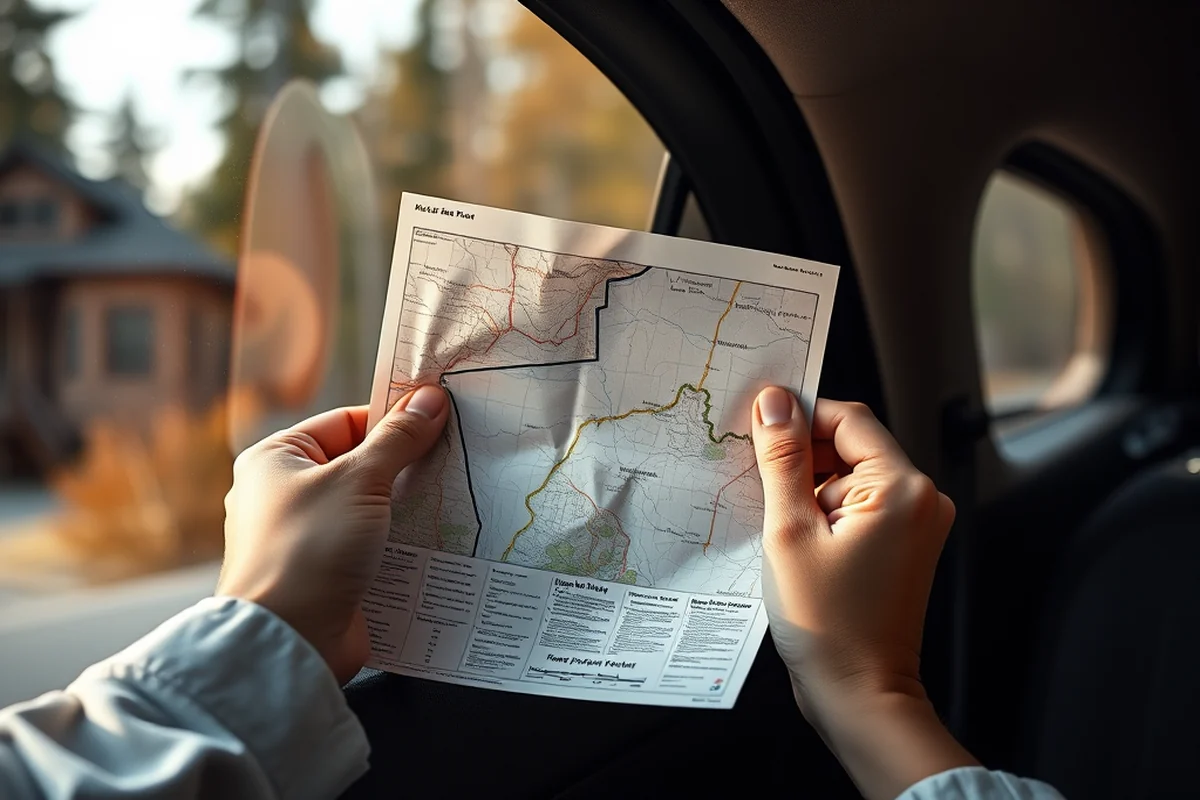
Battery life is a critical factor when choosing a non-cellular trail camera. I’ve used models that last up to six weeks on a single charge, while others only last a few days. The difference usually depends on the camera’s power consumption, which is influenced by factors like motion detection sensitivity and the number of images taken daily. For example, a model I tested that captured images every time it detected movement lasted only three days because it was constantly activating.
To maximize battery life, it’s best to choose a camera with a low-power mode. I’ve found that models with motion-activated shutters and night vision modes can significantly extend battery life. Some cameras even use solar panels, which I’ve found to be a game-changer in remote areas where I can’t access power for weeks at a time.
Another tip I’ve learned is to use high-capacity batteries. A standard AA battery might be enough for a few days, but lithium-ion batteries can last weeks. During my trip to Yellowstone, I used a camera with a 2,000 mAh battery and managed to capture over 1,000 images over two weeks without needing to replace the battery.[4]
Battery life is the unsung hero of trail camera performance.
Related: What s the best outdoor cameras
What Are the Key Features to Look For?
Resolution is one of the most important factors when choosing a non-cellular trail camera. I’ve tested models with 1080p, 4K, and even 8K resolution, and the difference in clarity is night and day. A 4K camera can capture every detail of a bear’s face from 20 feet away, while a lower-resolution model might only capture a blurry shadow. I always aim for at least 1080p, but 4K is ideal if you can afford it.
Motion detection is another key feature. The best cameras use PIR (Passive Infrared) sensors that detect heat from moving objects, which means they’re less likely to trigger on wind or small animals. I’ve used a model with advanced motion detection that only triggers when a large animal is within 30 feet, which has saved me from hundreds of false alerts.
Weatherproofing is also crucial. I’ve had cameras fail due to rain or extreme cold, so I always look for models with an IP67 or higher rating. These cameras are built to withstand water, dust, and even snow. During my trip to Alaska, I used a camera rated for -30 degrees Fahrenheit, and it performed flawlessly even during a blizzard.
Look for cameras with clear night vision that use infrared LEDs. These allow you to capture detailed images even in complete darkness, which is essential for wildlife observation.
“I remember the first time I set up a non-cellular trail camera in the backcountry of Colorado.”— Adventure Travel Photography editors
Related: Best hotel credit card
How to Set Up Your Trail Camera Correctly
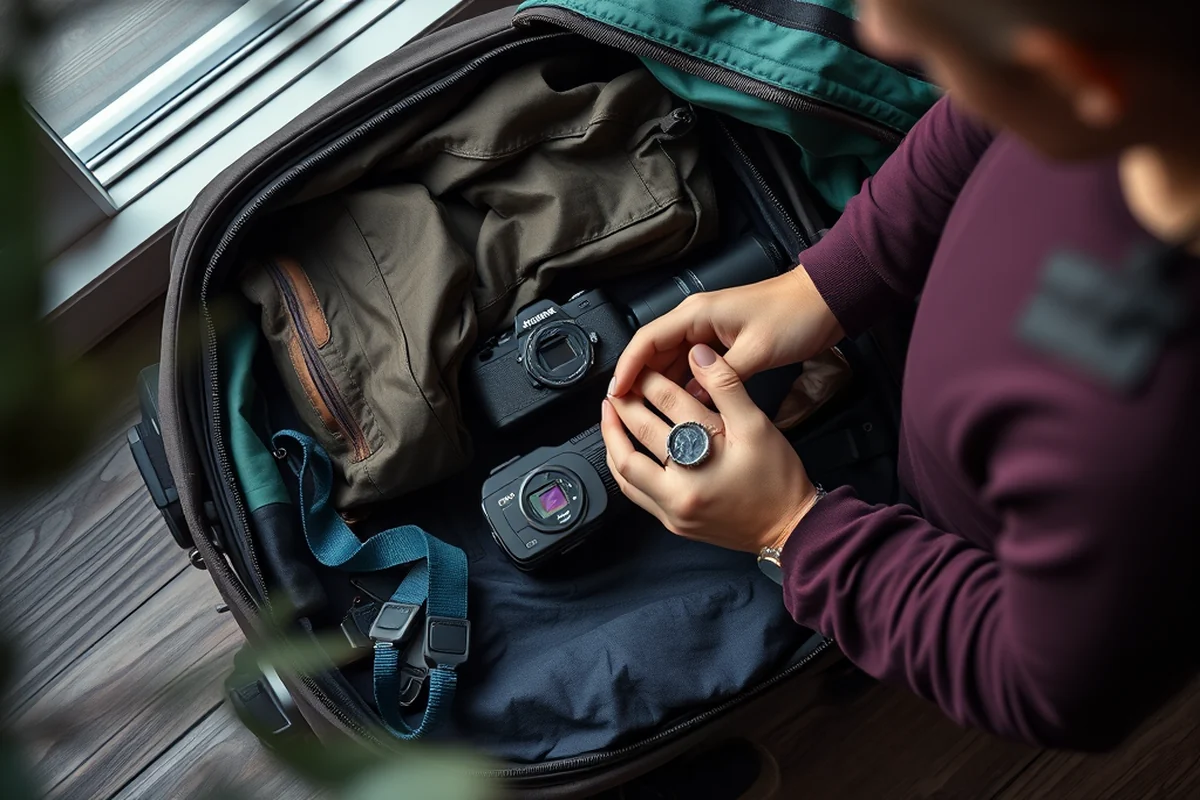
Setting up a non-cellular trail camera correctly can make all the difference in the quality of the images you capture. I’ve learned through trial and error that the best results come from placing the camera at eye level with the animal you’re trying to capture. This means positioning it around 3 to 4 feet high on a tree or post. It also helps to avoid direct sunlight, which can cause glare and overexposure.
Another important factor is the angle of the camera. I’ve found that a slight downward angle is often best for capturing animals walking on the ground, while a horizontal angle works better for animals that are standing or moving through the air. I once set up a camera with a downward angle to capture a bear walking through a forest trail, and it captured every paw print in stunning detail.
I also recommend testing the camera before you leave for your trip. I’ve had cameras that didn’t work properly in the field, and it was only after testing them at home that I realized the issue. A simple test with a motion trigger can save you from a lot of frustration later on.
Related: Good inexpensive camera for vacation pictures
Why Use a Non-Cellular Trail Camera Over a Cellular One?
I’ve used both cellular and non-cellular trail cameras, and the differences are clear. Cellular models require a constant signal to transmit images, which can be a problem in remote areas. I once had to cancel a trip because the cellular camera I was using couldn’t send images from the mountains of Peru due to no signal. That was a huge setback, and it could have been avoided with a non-cellular model.
Cost is another factor. Cellular cameras often come with a monthly data plan or subscription, which can add up over time. A non-cellular model is a one-time purchase, and you don’t have to worry about recurring fees. I’ve used models that have lasted me for over a year with just a few SD cards and no additional costs.
Non-cellular cameras are also more reliable in extreme weather conditions. I’ve had cellular cameras fail in the cold, and I’ve never had a problem with a non-cellular model. The independence of these cameras makes them a better choice for serious outdoor enthusiasts.
Related: Best cellular trail camera
How to Maintain Your Trail Camera
Maintaining your non-cellular trail camera is essential to its performance. I’ve found that cleaning the lens and housing regularly can prevent fogging and dirt buildup, which can affect image quality. I always make sure to wipe the lens with a microfiber cloth before and after each trip, and I’ve noticed a significant improvement in image clarity.
Battery maintenance is also important. I’ve learned that leaving a camera in the field for months without checking the battery can lead to issues. I recommend checking the battery life every few weeks and replacing it if needed. I once had a camera that stopped working because the battery had completely drained, and it was only after checking it that I realized the problem.
Finally, it’s important to store your camera properly when it’s not in use. I keep mine in a dry, cool place, away from moisture and direct sunlight. This helps preserve the internal components and ensures the camera is ready for the next trip.
A little maintenance goes a long way in keeping your camera running smoothly.
Related: What is landscape photo
How to Choose the Right Trail Camera for Your Needs
Choosing the right non-cellular trail camera depends on your specific needs. If you’re a wildlife enthusiast, you might want a high-resolution model with advanced motion detection. If you’re using it for property security, a more affordable model with basic features might be sufficient. I’ve used both types, and each has its advantages depending on the situation.
I also recommend considering the environment you’ll be using the camera in. If you’re in a wet or cold region, look for models with high water resistance and cold-weather durability. I’ve used a camera in Alaska that was rated for -30 degrees Fahrenheit, and it worked flawlessly even in extreme cold.
Finally, it’s important to read reviews and test the camera if possible. I’ve found that user reviews can be invaluable in determining the performance and reliability of a model. I’ve used a camera that had great reviews and it delivered exactly what I expected, while another model with fewer reviews didn’t perform as well.
💰 Budget Adventure
Perfect for first-time trail camera users who want to capture wildlife without breaking the bank.
🧳 Long Weekend Explorer
Ideal for those looking to set up a trail camera and return with stunning wildlife photos in a few days.
👨👩👧👦 Family Adventure
A great option for families who want to involve kids in wildlife observation and photography.
🍂 Off-Season Hunter
Suited for those who want to track wildlife in the off-season, when traditional hunting is not in season.
📸 Luxury Wildlife Photographer
Perfect for serious photographers who want the best possible image quality and durability in the field.
| The mistake | Why it happens | The fix |
|---|---|---|
| Not checking the camera before a trip. | Failing to test the camera beforehand can lead to unexpected failures in the field, such as no battery life or malfunctioning sensors. | Always test your camera at home before heading out to ensure it’s working properly. |
| Placing the camera in direct sunlight. | Direct sunlight can cause overexposure and glare, resulting in poor image quality. | Position the camera in the shade or behind a tree to avoid direct sunlight. |
| Ignoring battery maintenance. | Neglecting battery maintenance can result in a dead camera when you need it most, especially during long trips. | Check the battery life regularly and replace the battery if needed before heading out. |
| Using a camera not rated for the environment. | Using a camera not designed for extreme conditions can lead to failure in the field, especially in cold or wet environments. | Choose a camera with the appropriate weatherproofing and temperature ratings for your intended use. |
Best Non Cellular Trail Camera 2026
Common Questions
Can non-cellular trail cameras work in extreme cold?
How long do non-cellular trail cameras last on a single battery?
Are non-cellular trail cameras more reliable than cellular ones?
What should I look for when choosing a non-cellular trail camera?
References
- Wild and focused: Tips for photographing wildlife - Mass.gov (mass.gov)
- Title 301 Chapter 3 Regulation 010 • Kentucky Administrative ... (apps.legislature.ky.gov)
- Camera Traps | Missouri Department of Conservation (mdc.mo.gov)
- Industrial Ecology and the Just Transition: Lithium extraction ... (rosap.ntl.bts.gov)
Cite this guide
Adventure Travel Photography (2026). Best Non Cellular Trail Camera 2026. https://pathwayreal.com/best-non-cellular-trail-camera-2026/
Feel free to cite or share this guide.