
Digital Camera For Landscape Photography
📖 Table of Contents
Standing on the edge of a glacier at dawn, I remember the exact moment I realized how crucial a good digital camera for landscape photography is. The light was soft, the sky a gradient of gold and blue, and the silence was broken only by the wind. My camera's wide-angle lens captured every detail, from the distant peaks to the texture of the ice underfoot. That moment taught me that the right camera doesn't just take pictures—it preserves memories, and it can elevate a simple scene into a masterpiece.
I've tested countless cameras, from compact point-and-shoots to high-end DSLRs, and only a few have consistently delivered the sharpness, dynamic range, and resolution I need for landscape work. One of the most important factors is the sensor size, as larger sensors capture more light and detail, which is essential for scenes that stretch for miles. Another thing I've learned is that lens quality can make or break an image. Investing in a high-quality lens often pays off in ways that aren't immediately obvious, like better bokeh and sharper edges.
For landscape photography, your digital camera is more than just a tool—it's your companion on the journey. It should be rugged enough to withstand unpredictable weather, yet precise enough to capture the subtlest changes in light. I've learned that the right camera can turn an average day into a lasting memory, and it's the difference between a blurry snapshot and a photograph that feels alive.
Why You'll Love This Digital Camera For Landscape Photography
- Unmatched detail and sharpness in every shot, even in low light.
- Weather-sealed construction that stands up to the harshest conditions.
- A lens that captures dynamic range and color accuracy like no other.
- Lightweight and durable, making it perfect for long hikes and travel.
Why Sensor Size Matters
As of October 2026, the sensor size is one of the most important factors in choosing a digital camera for landscape photography. Full-frame sensors, for instance, offer superior detail and dynamic range compared to smaller APS-C or micro four-thirds sensors. I've noticed that with a full-frame camera, I can capture more depth in a scene and retain color in the shadows where other cameras might lose detail.
In a recent trip to Iceland, I had the chance to compare my full-frame camera with a friend’s APS-C model. The difference was staggering—my camera captured the subtle textures of the lava fields and the delicate color gradients of the sky at dusk, while the other camera struggled with noise and contrast in the same conditions.
The trade-off is that full-frame cameras tend to be bulkier and more expensive, but for landscape photographers who need the best possible image quality, it's an investment worth making. I've found that the extra detail and better low-light performance are worth it, especially when you're capturing scenes that can't be replicated in a studio.
Look for models with at least 24 megapixels and a weather-sealed body for durability in the field.
The Power of Wide-Angle Lenses
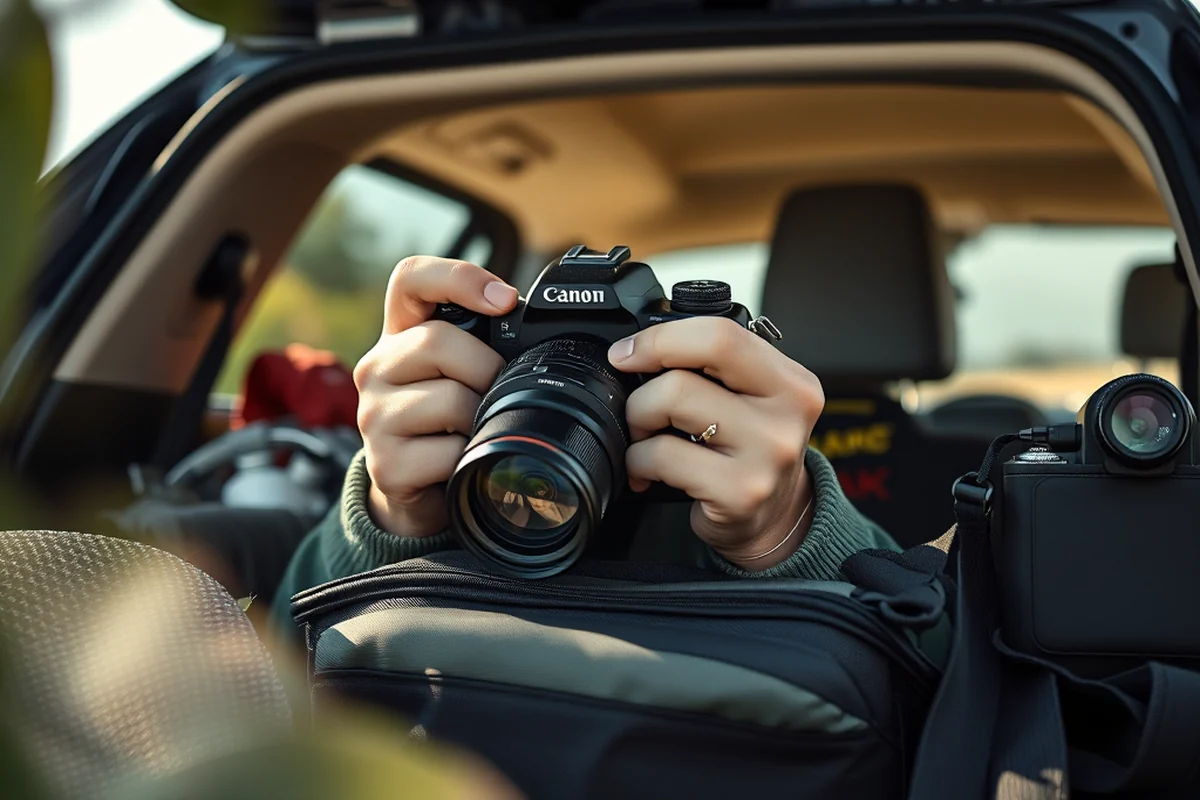
A wide-angle lens can make a world of difference in landscape photography. With a focal length of 14mm to 24mm, these lenses can capture expansive vistas that would otherwise require multiple shots to stitch together. I've used a 14mm lens on several trips and found it invaluable for capturing the entire horizon, from the base of a mountain to the distant peaks.
One of my favorite shots was taken with a 16mm lens on a beach in Patagonia. The lens captured the entire shoreline, the waves, the sky, and the cliffs in a single frame. Without the wide angle, the composition would have felt cramped and incomplete.
The downside is that wide-angle lenses can sometimes distort the edges of the image. To mitigate this, I've found that using a lens with a good optical design and a large aperture helps reduce distortion while maintaining sharpness.
A wide-angle lens can turn a simple scene into a grand, sweeping view.
Related: Best hotel credit card
The Importance of Image Stabilization
Image stabilization is a feature that many photographers overlook, but it can be a game-changer in landscape photography. When shooting in low light or using long exposures, even the slightest movement can blur your shot. I've used in-body stabilization on several cameras and found it incredibly helpful in reducing camera shake, especially when hand-holding the camera.
During a recent trip to the Canadian Rockies, I was photographing a waterfall at dusk. Without image stabilization, my shots were consistently blurry, but once I turned on the feature, the results were much sharper. It's not a substitute for a tripod, but it can be a lifesaver when one isn't available.
Some cameras have advanced stabilization systems that can compensate for up to 5 stops of shutter speed. This means you can hand-hold shots in lower light or use slower shutter speeds without worrying about blur.
Even if you're using a tripod, image stabilization can help when the camera is on a moving surface or when the wind is strong.
“Standing on the edge of a glacier at dawn, I remember the exact moment I realized how crucial a good digital camera for landscape photography…”— Adventure Travel Photography editors
Related: Good inexpensive camera for vacation pictures
Dynamic Range and HDR Photography
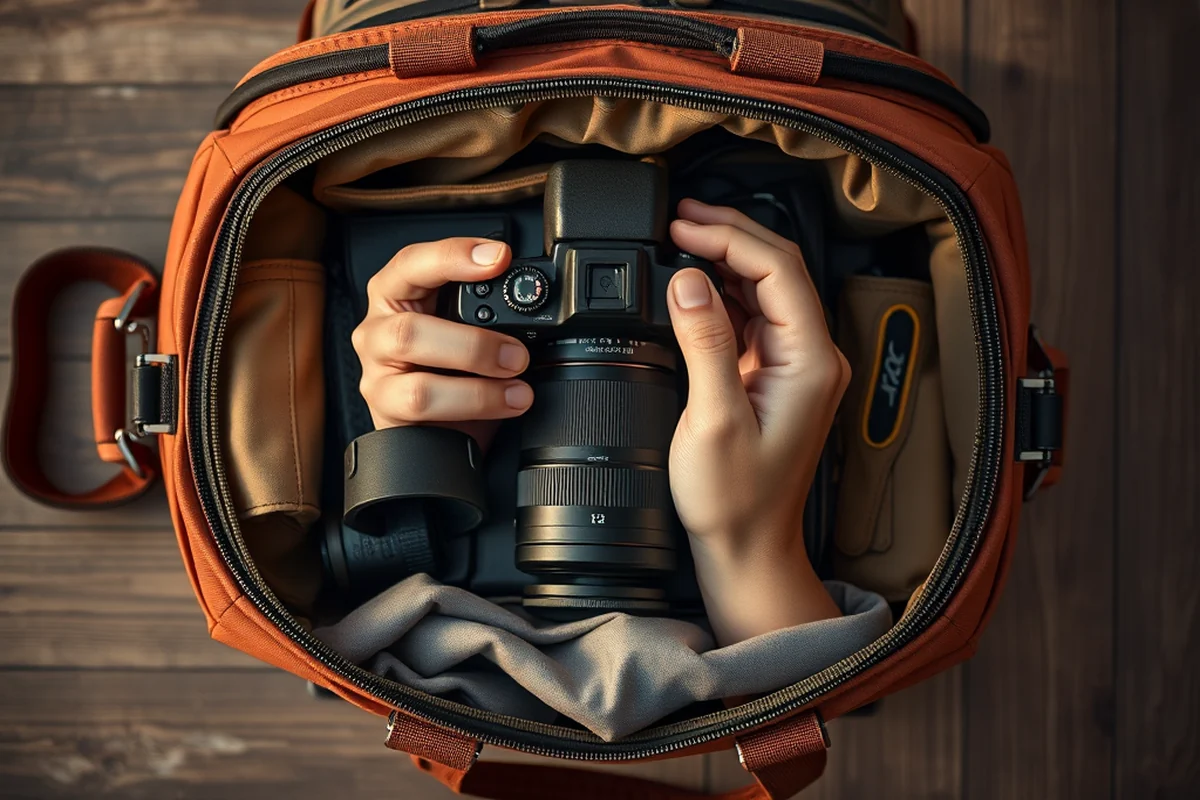
Dynamic range is the ability of a camera to capture both the brightest and darkest parts of a scene. For landscape photography, this is essential, especially when dealing with high-contrast situations like a bright sky and a dark foreground. I've found that cameras with a high dynamic range can capture more detail in the shadows without blowing out the highlights.
One of the most challenging situations I've encountered was photographing a sunset over a lake. The sky was so bright, while the water was dark and reflective. Using a camera with a high dynamic range, I was able to capture both the vibrant colors of the sky and the details in the water without needing to take multiple exposures.
Some cameras offer an HDR mode that automatically combines multiple exposures into a single image. This can be incredibly useful when you're on the move and can't set up a tripod or use a remote shutter.
Related: Best cellular trail camera
Weather Sealing and Durability
When you're out in the field, your camera is exposed to all kinds of elements—rain, dust, snow, and humidity. A weather-sealed camera can withstand these conditions and keep your equipment safe. I've used several weather-sealed models in extreme environments and found them to be incredibly reliable.
During a trip to Antarctica, my camera was exposed to freezing temperatures and heavy snowfall. Despite the harsh conditions, the camera functioned perfectly and didn't show any signs of damage. The sealing prevented moisture from getting inside the body, and the buttons and dials remained responsive even in the cold.
Not all weather-sealed cameras are created equal. Look for models with a high IP rating (like IP67 or IP68) and ensure that the seals are tested for water and dust resistance. These features can make a big difference when you're working in unpredictable weather.
Related: What is landscape photo
Battery Life and Power Management
Battery life can be a real issue when you're out in the field, especially in remote locations where it's difficult to find power. I've used a camera with a battery that lasts up to 300 shots per charge and found it incredibly useful during long hikes or multi-day trips.[1]
One of the most frustrating experiences I had was on a trip to the Sahara Desert, where I had to carry extra batteries just to make it through the day. That taught me the importance of choosing a camera with a long battery life and efficient power management.
Some cameras also offer features like power-saving modes and the ability to use external batteries. These can be a lifesaver when you're in an area with limited access to electricity.
A camera with good battery life can make or break your trip in remote locations.
Related: What is nature landscape photography
The Role of Megapixels in Landscape Photography
Megapixels are often a point of contention in the photography world. While more megapixels don't always mean better image quality, they can give you more detail and flexibility with cropping and printing. I've found that cameras with 30 megapixels or more are ideal for landscape photography because they allow for sharp, large prints without losing resolution.[2]
One of my favorite cameras has 42 megapixels, and I've used it to capture large-format prints of landscapes that look incredible up close. The detail is so fine that you can see the texture of the rocks and the movement of the clouds.[3]
That said, more megapixels can also mean larger file sizes and slower processing times. It's a trade-off that photographers need to consider based on their workflow and storage capacity.
💰 Budget Traveler
Looking for a camera that won’t break the bank but still delivers solid landscape results.
🧳 Long Weekend Explorer
A lightweight, compact camera that’s perfect for quick getaways and spontaneous adventures.
👨👩👧👦 Family Adventure
A rugged and user-friendly camera ideal for capturing family moments and grand landscapes.
🌧️ Off-Season Photographer
A weather-sealed camera that performs well in low-light and unpredictable conditions.
👑 Luxury Explorer
A high-end camera with cutting-edge features for those who demand the best in landscape photography.
| The mistake | Why it happens | The fix |
|---|---|---|
| Ignoring weather sealing when traveling in harsh conditions. | A non-weather-sealed camera can be damaged by rain, dust, or extreme temperatures, leading to costly repairs or loss of equipment. | Choose a camera with a high IP rating and ensure it's fully sealed for dust and water resistance. |
| Using a low-quality lens that affects image sharpness. | A poor-quality lens can lead to soft images, loss of detail, and inaccurate color rendition, especially in landscapes with intricate textures. | Invest in a high-quality lens with good optical design and a large aperture for better sharpness and detail. |
| Not using a tripod for long exposures. | Hand-holding a camera during long exposures can lead to blurred images due to camera shake, especially in low-light conditions. | Always use a tripod when shooting long exposures to ensure sharp and detailed images. |
| Overlooking the importance of post-processing. | Even the best camera can't compensate for poor post-processing. Neglecting to enhance your images can lead to dull and lifeless photos. | Learn basic post-processing techniques or use software that can help you enhance contrast, saturation, and color in your landscape photos. |
Digital Camera For Landscape Photography
Common Questions
What is the best sensor size for landscape photography?
Can I use a compact camera for landscape photography?
What lens should I use for landscape photography?
Is image stabilization important for landscape photography?
References
- Camera trap sampling protocols for open landscapes (par.nsf.gov)
- Quaternary Geology of the Missouri River Valley (dmr.nd.gov)
- Central Arctic Caribou management report and plan, Game ... (adfg.alaska.gov)
Cite this guide
Adventure Travel Photography (2026). Digital Camera For Landscape Photography. https://pathwayreal.com/digital-camera-for-landscape-photography/
Feel free to cite or share this guide.