Travelled Or Traveled
📖 Table of Contents
I remember the first time I found myself standing in the middle of a bustling market in Marrakech, the air thick with the scent of spices and the sound of bargaining echoing around me. It was a moment that made me realize the difference between 'travelled' and 'traveled' — not just in spelling, but in the experience itself. 'Travelled' feels more like a journey, the kind that leaves you with stories, friendships, and memories that last a lifetime.[1]
In my early twenties, I thought 'traveled' was just about moving from one place to another. But as I've aged and journeyed across continents, I've come to understand that 'travelled' is about the depth of experience, the immersion in culture, and the personal growth that comes with it. It's the difference between a tourist and a traveler, and that distinction matters in how we engage with the world.[2]
Now, when I plan a trip, I think about 'travelled' in terms of moments — the ones where I sat with locals over tea, the ones where I got lost and found something unexpected. The ones where I returned home changed. It's these experiences that make the difference between simply moving through a place and truly living in it.[3]
Why You'll Love This Journey
- Deep cultural immersion with locals, not just sightseeing
- Experiences that leave lasting memories and personal growth
- Unique opportunities to connect with other travelers and hosts
- A transformative approach to travel that goes beyond the surface
What Does It Mean to 'Travelled'?
As of October 2026, the word 'travelled' implies a deeper, more personal journey than 'traveled.' It's not just about the places you visit, but the people you meet and the experiences you have. For me, 'travelled' has always been about the emotional and cultural impact of a trip, not just the physical movement from one location to another.[4]
I remember my first trip to Japan, where I stayed with a local family in Kyoto. That experience was far different from simply checking off a list of tourist attractions. I learned about Japanese customs, shared meals with the family, and even participated in a local festival. That was 'travelled' in its purest form — a journey that changed my perspective.
So, when planning a trip, think about 'travelled' as a verb that requires more than just a destination. It's about the time you spend, the relationships you build, and the personal growth you experience. That's the real value of 'travelled.'
Instead of ticking off landmarks, focus on activities that connect you with the local culture, like cooking classes or homestays.
Part of our Adventure travel guide.
The Difference Between 'Travelled' and 'Traveled'
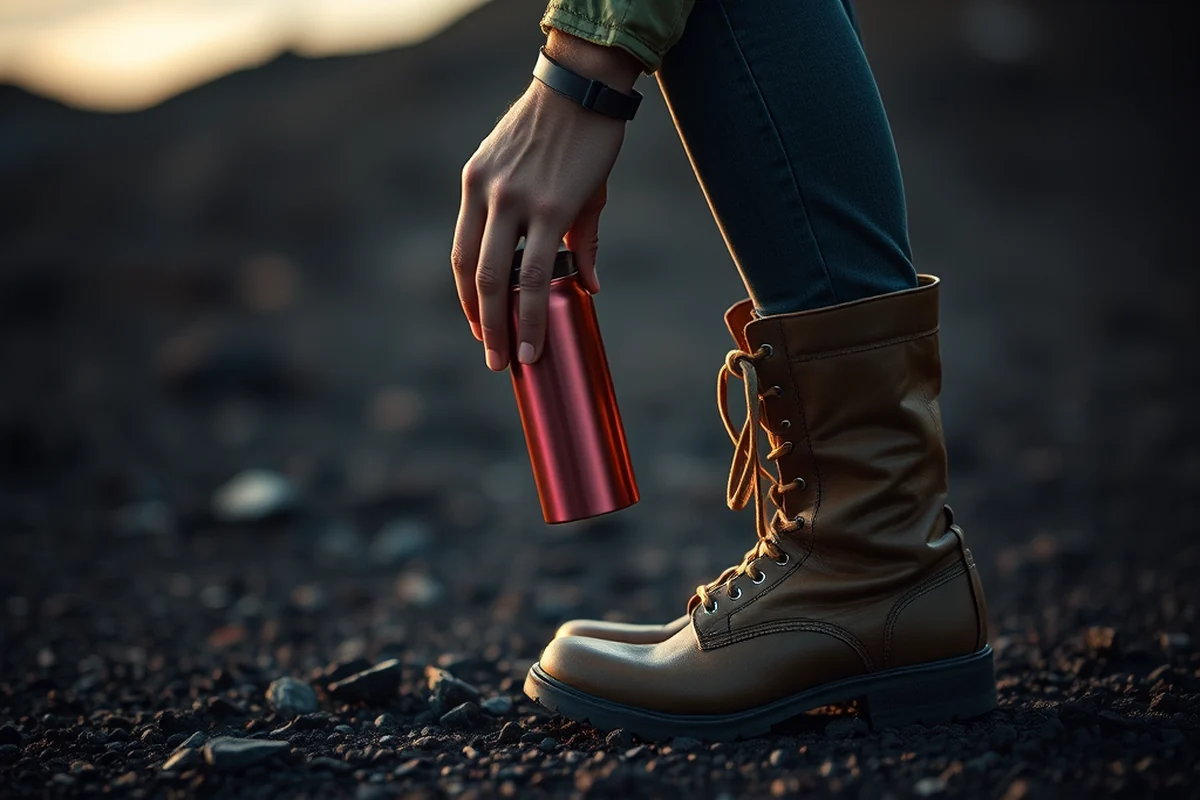
There's a subtle but important distinction between 'travelled' and 'traveled.' 'Traveled' is the verb used in American English, while 'travelled' is the British English form. But the difference goes beyond spelling — it's about the intention behind the journey.
When I 'travelled' in the UK, I focused on the stories and experiences, not just the places. I stayed in small villages, walked through the countryside, and talked with locals about their way of life. That's what 'travelled' means to me — it's about the journey of the heart and mind, not just the body.
So, the next time you plan a trip, ask yourself — are you 'travelled' or are you 'traveled'? The answer might just change how you experience the world.
It's not where you go, but how you go that defines the journey.
Related: Explore cruise deals and destinations
How to Really 'Travelled'
If you want to 'travelled,' you need to go beyond the usual tourist spots. That means staying with locals, participating in cultural activities, and engaging with the community. I've found that the best way to 'travelled' is to slow down and take time to understand the place you're visiting.
In Peru, I stayed with a local family in Cusco. We shared meals, learned about their traditions, and even helped with daily chores. It was an experience that gave me a deeper understanding of Peruvian culture. That's what 'travelled' is about — not just seeing a place, but living in it for a while.
So, next time you plan a trip, think about how you can 'travelled' rather than just 'traveled.' It might mean skipping the crowded tourist sites and instead visiting a local market, learning a few words in the local language, or joining a community event.
Try to live like the locals — eat what they eat, learn their language, and participate in their daily activities.
“I remember the first time I found myself standing in the middle of a bustling market in Marrakech, the air thick with the scent of…”— Adventure Travel Photography editors
Related: Outdoor adventure jobs
The Best Time to 'Travelled'
I've learned that the best time to 'travelled' is during the shoulder season — the time between the peak and off-peak months. That means avoiding the busy summer months and instead visiting during spring or early autumn. It's when the weather is still pleasant, but the crowds are fewer.
In Italy, I 'travelled' in April, which was perfect — the weather was warm enough for walking, but the tourist season hadn't started yet. I had the chance to explore Florence without the usual crowds, and the prices for accommodations were more reasonable. That's the beauty of 'travelled' during the right time of year.
So, if you want to 'travelled' without the stress of overcrowded destinations, think about planning your trip during the shoulder season. You'll get a more authentic experience and enjoy a better deal.
Related: Best used travel trailers
What to Pack When You're Going to 'Travelled'
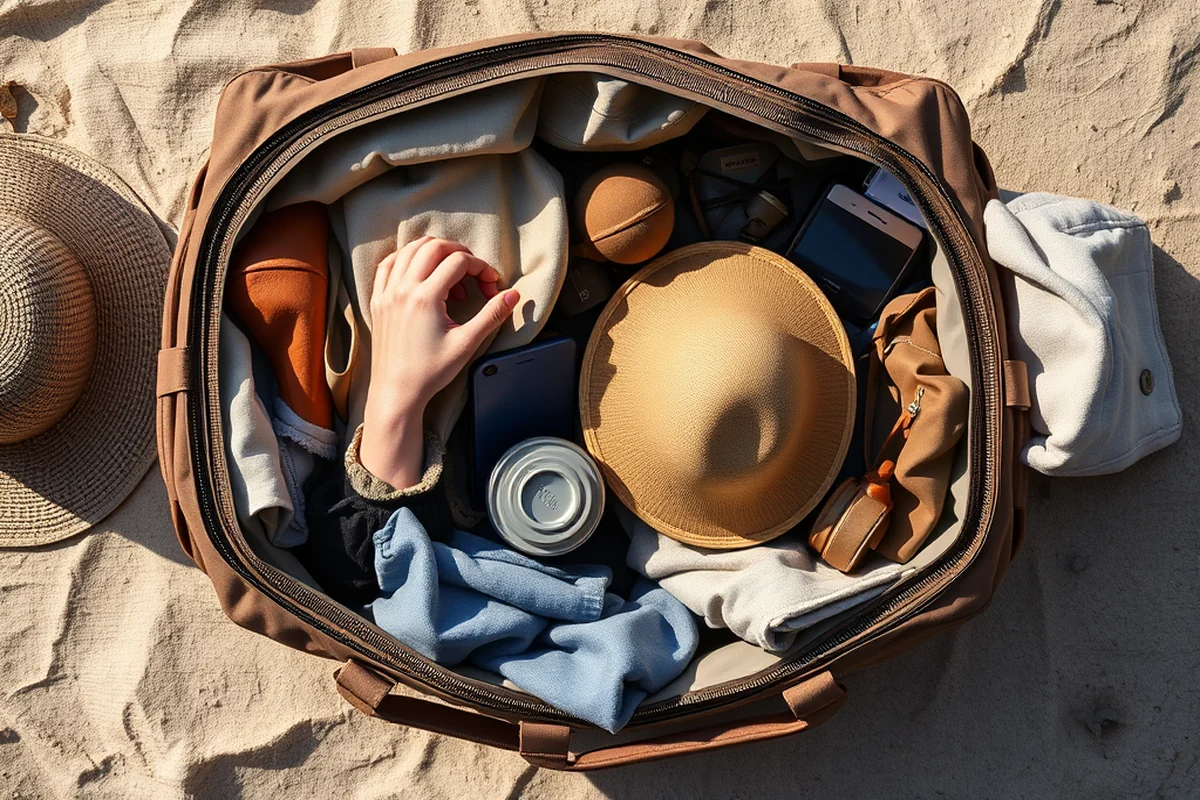
Packing for 'travelled' is different than packing for a regular trip. It's not just about the weather — it's about being prepared for any situation and showing respect to the local culture. I always make sure to pack comfortable clothing, a reusable water bottle, and a small notebook for journaling.
In Morocco, I found that packing lightweight, breathable clothing was essential, but I also made sure to bring a scarf for covering my head when visiting religious sites. It was a small gesture, but it showed respect to the local customs. That's part of what makes 'travelled' so meaningful.
So, when you're planning to 'travelled,' think about what you can bring that will help you connect with the local culture. It's these small details that make the difference between just being there and truly 'travelled.'
Related: Adventure alternatives photos
Why 'Travelled' is More Than Just a Word
'Travelled' is more than just a verb — it's a way of seeing the world that goes beyond the surface. It's about being open to new experiences, learning from others, and allowing yourself to be transformed by the journey. I've found that the best memories come from 'travelled' trips, not just from the places I've been to.
In India, I had the chance to 'travelled' with a group of fellow travelers who were all looking for authentic experiences. We stayed in local guesthouses, shared meals with families, and even helped out with community projects. It was a journey that changed the way I see the world — one that's more connected, more open, and more alive.
So, the next time you plan a trip, think about how you can 'travelled' rather than just 'traveled.' It might change not only your perspective, but your life.
The best journeys aren't about where you go — they're about who you become along the way.
Related: Travel adventure photo album
The Future of 'Travelled'
As the world becomes more aware of the impact of tourism, the future of 'travelled' will be focused on sustainability and responsibility. That means traveling in ways that don't harm the environment or exploit the people of the places we visit. I've seen this shift in the way travelers are now choosing to 'travelled' — by supporting local businesses, reducing waste, and respecting the culture of the places they visit.
In Costa Rica, I 'travelled' with a group that was focused on eco-tourism. We stayed in eco-friendly lodges, supported local conservation efforts, and made sure our impact on the environment was minimal. It was a different kind of 'travelled' — one that was more about leaving a positive impact than just taking experiences.
So, as we look to the future, I believe that 'travelled' will continue to evolve into a more sustainable and responsible form of travel. That's the real journey — one that not only enriches our lives but also helps protect the world we live in.
💰 Budget Getaway
Experience the world without breaking the bank — focus on affordable accommodations and free activities.
🧳 Long Weekend Escape
A quick trip that allows for deep immersion — perfect for those who need a short but meaningful escape.
👨👩👧👦 With Kids
A family-friendly trip that balances fun with learning, ensuring both kids and parents have unforgettable experiences.
🍂 Off-Season Adventure
A trip that takes advantage of the slower, less crowded times of the year for a more authentic experience.
💎 Luxury Retreat
An indulgent journey that offers comfort, exclusivity, and a chance to truly unwind in the best settings.
| The mistake | Why it happens | The fix |
|---|---|---|
| Only Visiting Tourist Attractions | This limits your experience to a surface-level view of the destination and prevents meaningful connections with locals. | Seek out local experiences, such as homestays, cultural workshops, or community events, to immerse yourself in the culture. |
| Ignoring Local Customs | Not respecting local customs can lead to misunderstandings and even offense, making the journey less enjoyable. | Research the customs and traditions of the place you're visiting, and be mindful of your behavior and interactions. |
| Not Being Prepared for the Local Climate | Failing to pack appropriately for the weather can lead to discomfort and even health issues. | Research the local climate and pack accordingly — including items like a reusable water bottle, comfortable clothing, and a small first-aid kit. |
| Not Taking Time to Slow Down | Trying to see too much in too little time can lead to burnout and prevent you from truly 'travelled.' | Allow yourself time to relax, reflect, and engage with the local culture at a slower pace. |
Travelled Or Traveled
Common Questions
What's the difference between 'travelled' and 'traveled'?
How can I 'travelled' more authentically?
What's the best time of year to 'travelled'?
How can I make my trip more sustainable while 'travelled'?
References
- The Healing Way: A Conversation with Poet Tanaya Winder (arts.gov)
- National Register of Historic Places Multiple Property ... (npgallery.nps.gov)
- - R&D TO SUPPORT HEALTHY AIR TRAVEL. IN THE COVID-19 ... (govinfo.gov)
- Time Travel | Internet Encyclopedia of Philosophy (iep.utm.edu)
Cite this guide
Adventure Travel Photography (2026). Travelled Or Traveled. https://pathwayreal.com/travelled-or-traveled/
Feel free to cite or share this guide.