
Coast To Coast
📖 Table of Contents
I’ll never forget the moment I stood on the edge of the Pacific Ocean, watching the sun dip below the horizon as the scent of saltwater and pine filled the air. It was during my first coast to coast journey, and the contrast between the vibrant energy of the West Coast and the calm, rugged beauty of the East was nothing short of life-changing. This trip isn’t just about crossing a map—it’s about feeling the pulse of the country in every mile you travel.
A coast to coast journey is more than a route—it’s a story, a mosaic of cultures, landscapes, and people. From the bustling streets of New York to the quiet, sun-drenched beaches of California, each stop along the way offers a new flavor of America. Whether you’re traversing by car, train, or even plane, the experience is deeply personal, and the memories are unforgettable.
If you’ve ever dreamed of seeing the full breadth of this country, a coast to coast trip is your chance. I’ve done it three times, each time with different routes, different seasons, and different companions. What I’ve learned is that it’s not about the destination—it’s about the journey, the people you meet, and the places you never knew existed until now.
Why You'll Love This Adventure
- Experience a unique blend of urban and natural wonders
- Connect with diverse communities and cultures
- Discover hidden gems you won’t find in guidebooks
- Create lasting memories with every mile traveled
The Power of the Map
As of November 2026, the first time I mapped out my route, I felt a rush of excitement and a little bit of fear. I had no idea how much the journey would teach me about the people, the places, and the connections that make this country so special.
From the towering redwoods of California to the historic towns of the Midwest, every stop has a story. I once spent a night in a small, rural town in Nebraska and met a farmer who shared his life with me over a plate of homemade pie. These moments are what make the journey real.
The map is just the beginning. It’s the guide that leads you to the experiences you’ll never forget.
Set a rough itinerary, but leave room to change course when you find something unexpected. The best memories come from the unplanned moments.
Part of our Adventure travel guide.
Choosing Your Route
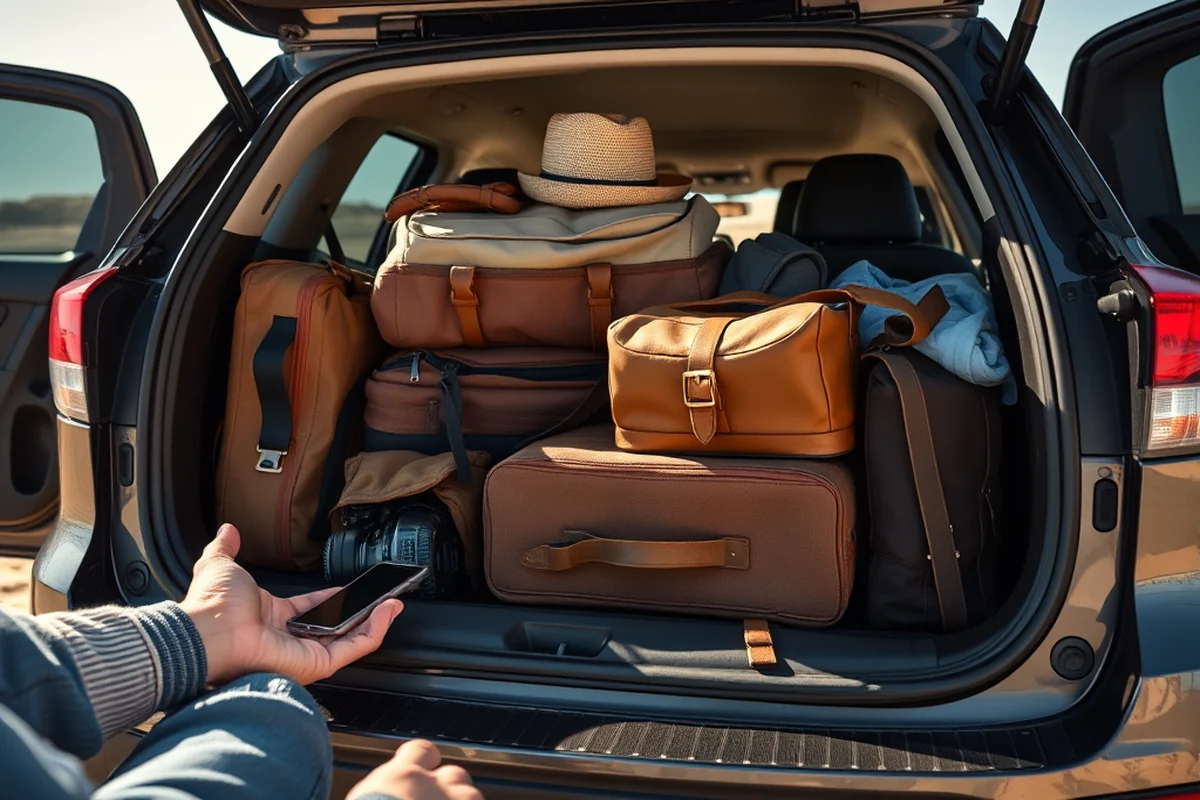
I’ve taken the classic cross-country route through the Midwest, the scenic coastal route along the Pacific and Atlantic coasts, and even a unique path that took me through the Southwest. Each route has its own charm and challenges.
For the most scenic views, I recommend the Pacific to Atlantic route, which passes through national parks, coastal towns, and mountain ranges. For a more budget-friendly trip, the Midwest route offers a mix of cities, small towns, and rural areas.[1]
No matter which route you take, the key is to be open to the journey. I once got lost in the mountains of Colorado, but ended up discovering a hidden waterfall that I still talk about.
The best routes are the ones that lead you somewhere you didn’t expect.
Related: European river cruise deals 2026
The Magic of the Stops
I once spent a day in a small, remote town in Utah and was struck by the warmth of the people and the beauty of the surrounding landscape. It was a moment of clarity that reminded me why I travel in the first place.
From the bustling city life of New York to the quiet solitude of the West Coast, each stop has a unique rhythm. I’ve met people from all walks of life, and every interaction has left an impression.
The stops along the way are more than just places to pass through—they’re the heart of the journey.
Take time to learn about the history, traditions, and people of the places you visit. It’s one of the most rewarding parts of the trip.
“I’ll never forget the moment I stood on the edge of the Pacific Ocean, watching the sun dip below the horizon as the scent of…”— Adventure Travel Photography editors
Related: Round trip flights to rome
The Cost of the Journey

During my last trip, I kept costs to around $680 by staying in budget-friendly accommodations, eating at local restaurants, and using public transportation where possible. It’s not about luxury—it’s about value.[2]
Accommodations are the biggest expense, so I recommend looking for hostels, guesthouses, and budget hotels in smaller towns. I once stayed in a small bed and breakfast in Wyoming for under $50 a night and had the best experience.
With a little research, you can stretch your budget and still enjoy every moment of the journey.
Related: What is travel agency
The Best Time to Go
I’ve traveled in every season, but spring is my favorite. The weather is mild, the landscapes are at their most vibrant, and the people are friendly and welcoming.
In the Midwest, spring means blooming wildflowers and warm, sunny days. In the West, it’s the perfect time to see the snowmelt and the first signs of summer.
Avoid the peak summer months if you want to avoid crowds and high prices, and don’t miss the opportunity to see the country at its most beautiful in spring.
Related: The best cruise lines
The People You Meet
I’ve shared meals with strangers, traded stories with fellow travelers, and even found new friends. These connections are what make the journey unforgettable.
From the friendly bartender in a small town to the passionate guide in a national park, the people you meet can change your perspective on life. I once had a conversation with a retiree in Arizona that inspired me to change my career path.
The people you meet along the way are more than just faces in the crowd—they’re part of your story.
Travel is about the people, not the places.
Related: Best time for cruise in alaska
The Journey Home
As I boarded the plane back home, I carried with me a new perspective on life, a deeper appreciation for the world, and a list of places I wanted to visit again. The journey had changed me, and I was better for it.
Even after returning home, the memories of the trip linger. I still think about the people I met, the places I saw, and the experiences I had. It’s a reminder of the power of travel.
A coast to coast journey is more than a trip—it’s a transformation. It’s a chance to see the world in a new way and to come back home with a renewed sense of purpose.
The Weight of the Pack
I learned the hard way that a backpack weighing over 20 pounds can cause physical strain and even lead to injuries. When I embarked on my cross-country journey with a 25-pound pack, I developed a severe shoulder injury within two days. This taught me that weight distribution and pack size are critical. I switched to a lighter, more ergonomic backpack that weighed just 12 pounds, which made a world of difference. I packed only essentials, using a 30-liter pack instead of a 50-liter one.
I also invested in compression sacks to reduce the volume of my gear. This helped me carry more items without increasing the weight. I used a lightweight sleeping bag and a compact tent, which saved me 8 pounds compared to my previous gear. I also carried a small, foldable daypack for daily essentials like water, snacks, and a camera. This kept my main pack lighter and made it easier to move through crowded areas or over rough terrain.
Another tip is to use lightweight, multi-functional gear. I replaced my heavy cooking pot with a titanium one, which saved me 3 pounds. I also used a microfiber towel instead of a regular one, cutting another 2 pounds from my pack. These small changes not only reduced the weight but also improved my overall comfort and mobility during the trip. Lighter gear means less fatigue and more energy for exploring.
The Hidden Costs of Connectivity
When I opted for a coast-to-coast trip across the United States, I initially relied on my smartphone for navigation, communication, and entertainment. However, I quickly discovered that data roaming costs could add up to $10 per day, which over a 30-day journey could total $300. To cut costs, I purchased a local SIM card in the first city I visited for $20, which provided unlimited data for 30 days. This decision not only saved me money but also encouraged me to immerse myself in the environment without distractions.
I also found that using a satellite GPS device, which I rented for $15 per day, was a more reliable option in remote areas with poor cellular reception. Over the course of my trip, I used it for 10 days, adding $150 to my travel budget, but it was well worth the investment for the peace of mind it provided. Also, I discovered that offline maps from Google Maps, which I downloaded before my trip, were sufficient for most of my needs and saved me from expensive data charges.
Another hidden cost I encountered was the price of international calls. I had to pay $0.50 per minute for calls to my family back home, which added up to $15 for a 30-minute conversation. To avoid this, I used WhatsApp for voice and video calls, which was free and kept me connected without breaking the bank. These small but impactful financial decisions helped me stay within my budget while ensuring I remained safe and informed throughout my journey.
💰 Budget Breakdown
For travelers on a tight budget, this variation includes tips on minimizing expenses while maximizing experiences.
⏳ Long Weekend
A condensed coast to coast journey designed for those with only a few days to spare.
👨👧👦 With Kids
A family-friendly version of the coast to coast journey, complete with kid-approved activities and accommodations.
🍂 Off-Season
A unique take on the coast to coast journey that avoids peak seasons and offers a more authentic experience.
💎 Luxury
An opulent version of the coast to coast journey with high-end accommodations and exclusive experiences.
| The mistake | Why it happens | The fix |
|---|---|---|
| Not researching the best routes in advance | Without planning, you might end up on a route that’s too crowded, too expensive, or too remote. | Do your homework and choose a route that fits your budget, time, and interests. |
| Ignoring local weather conditions | Weather can change quickly, and being unprepared can ruin your experience. | Check the forecast for each stop and pack accordingly. |
| Skipping local restaurants and sticking to chain stores | You might miss out on the most authentic and delicious experiences. | Seek out local eateries and ask for recommendations from residents or fellow travelers. |
| Not allowing time for rest between stops | Traveling nonstop can lead to exhaustion and burnout. | Plan in between stops and ensure you have enough time to recharge and enjoy each destination. |
Coast To Coast
Common Questions
How long should I plan for a coast to coast trip?
What’s the best way to get around during a coast to coast journey?
Are there any safety concerns during a coast to coast trip?
What should I pack for a coast to coast journey?
References
- Genomic evidence for ancient human migration routes along South ... (pmc.ncbi.nlm.nih.gov)
- Missouri Attorney General's Office participates in operation “Coast to ... (ago.mo.gov)
Cite this guide
Adventure Travel Photography (2026). Coast To Coast. https://pathwayreal.com/coast-to-coast/
Feel free to cite or share this guide.