
How To Travel With A Camera
📖 Table of Contents
The first time I packed my camera for a trip, I was nervous. I had read about the best lenses and the ideal settings. Nothing prepared me for the chaos of a plane, the weight of a heavy bag, or the panic of not knowing how to capture a sunset when I finally arrived. Traveling with a camera is more than just taking pictures—it's about learning to move with it, to adapt, and to see the world differently.[1]
I remember standing in the middle of a bustling market in Marrakech, camera in hand, trying to balance my lens, my tripod, and my sense of wonder. It was a lesson in preparation, in knowing what to bring, and in understanding that the best photos come from experiences, not just equipment. Over time, I learned that traveling with a camera is as much about the journey as it is about the images you take.
Now, when I travel, I carry a lightweight camera, a few trusted lenses, and a mindset that embraces the unknown. I’ve learned that the best shots aren’t always the ones you plan—they’re the ones you stumble upon when you’re not looking. This article is for anyone who wants to travel with a camera, not just for the photos, but for the stories they’ll collect along the way.
Why You'll Love This Travel Experience
- You'll learn to take better photos in any situation.
- You'll carry less weight and travel more freely.
- You'll document your journey with authentic, personal images.
- You'll see the world through a more curious and creative lens.
Choosing the Right Camera for Travel
As of September 2026, Choosing the right camera for travel can make or break your experience. Compact mirrorless cameras like the Sony A6100 or the Fujifilm X-T30 II are excellent choices because they are lightweight, durable, and capable of capturing high-quality images even in low light. These cameras are small enough to fit in your pocket yet powerful enough to handle diverse shooting conditions.
I once traveled with a DSLR, and by the end of the trip, I was exhausted from carrying it. Mirrorless models are a game-changer for travelers who value mobility without sacrificing image quality. They also offer great battery life and typically come with a range of lens options tailored for travel photography.
Investing in a camera that is both compact and reliable ensures that you can focus on the journey rather than worrying about your gear. I’ve found that mirrorless cameras with built-in image stabilization are especially useful when capturing landscapes or cityscapes from moving vehicles.
Opt for a mirrorless camera with a 1-inch sensor for portability and image quality.
Part of our Camera travel guide.
Packing Smart: What to Bring
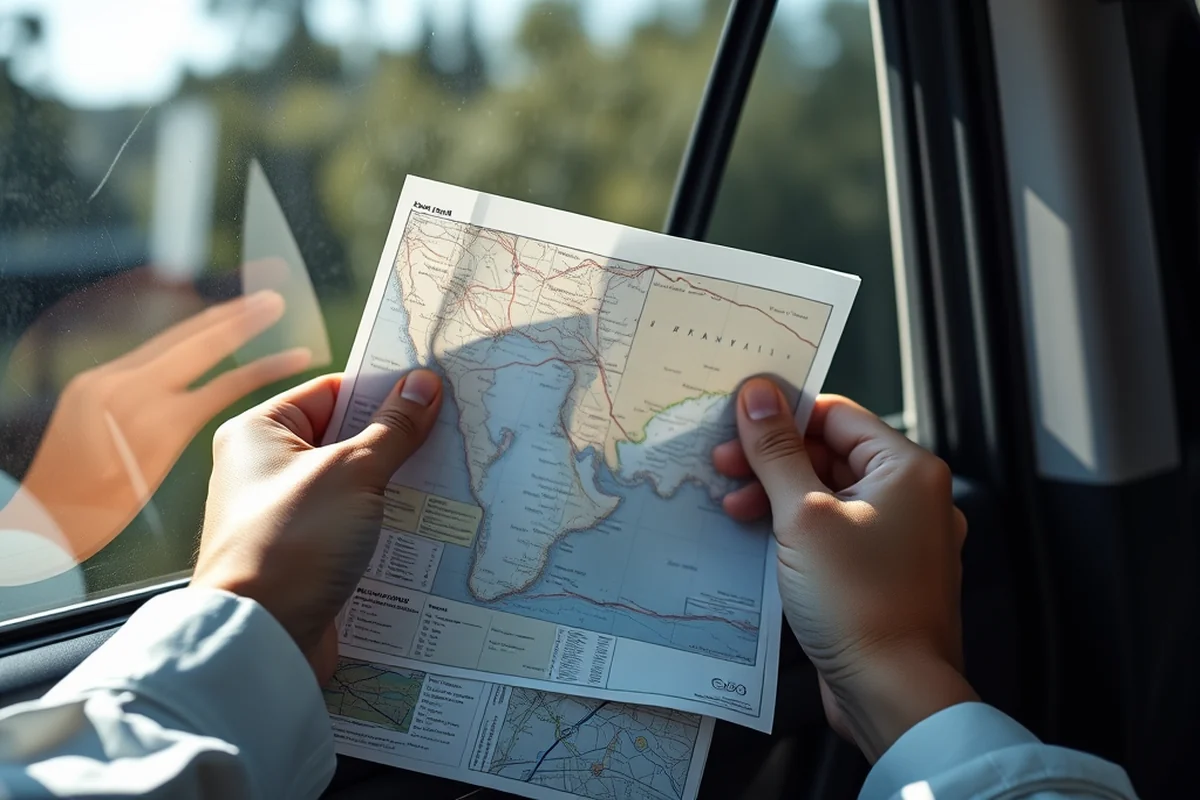
Packing smart when traveling with a camera is all about balance—bringing only what you need without compromising on quality. A lightweight camera body, a couple of versatile lenses, and a small tripod are the essentials. I often carry a 35mm prime lens for street photography and a 24-70mm zoom for general use.
I’ve learned that overpacking is a common mistake. I once brought too many lenses, which made my bag bulky and slowed me down. It’s better to choose a few high-quality lenses that can handle a variety of situations. A lens protector and a camera strap are also important to keep your gear safe.
A travel camera bag with padded compartments and a rain cover is a must-have. These bags are designed to protect your gear from bumps and spills, and they often come with built-in pockets for memory cards and batteries. I’ve used the Peak Design Everyday Backpack and found it to be an excellent investment.
Less gear means more freedom to explore.
Related: Travel photography camera for beginners
Battery Management: Stay Powered
Battery management is crucial when traveling with a camera. I always carry at least two spare batteries, and I make sure they are fully charged before my trip. Modern cameras tend to drain batteries quickly, especially when using features like continuous shooting or video.
I once missed a sunrise photo because I forgot to charge my camera battery the night before. Since then, I’ve made it a habit to charge my batteries before I go to bed. I also use portable power banks that are compatible with my camera, which is especially useful when traveling in remote areas.
Some cameras have built-in battery indicators that show the remaining charge. Keeping an eye on these indicators and replacing batteries as needed can prevent last-minute surprises. I’ve found that using a camera with a battery grip also helps extend the battery life significantly.
Always carry spare batteries and charge them before your trip to avoid power outages.
“The first time I packed my camera for a trip, I was nervous.”— Adventure Travel Photography editors
Related: Art travel hotel
Choosing the Right Lenses
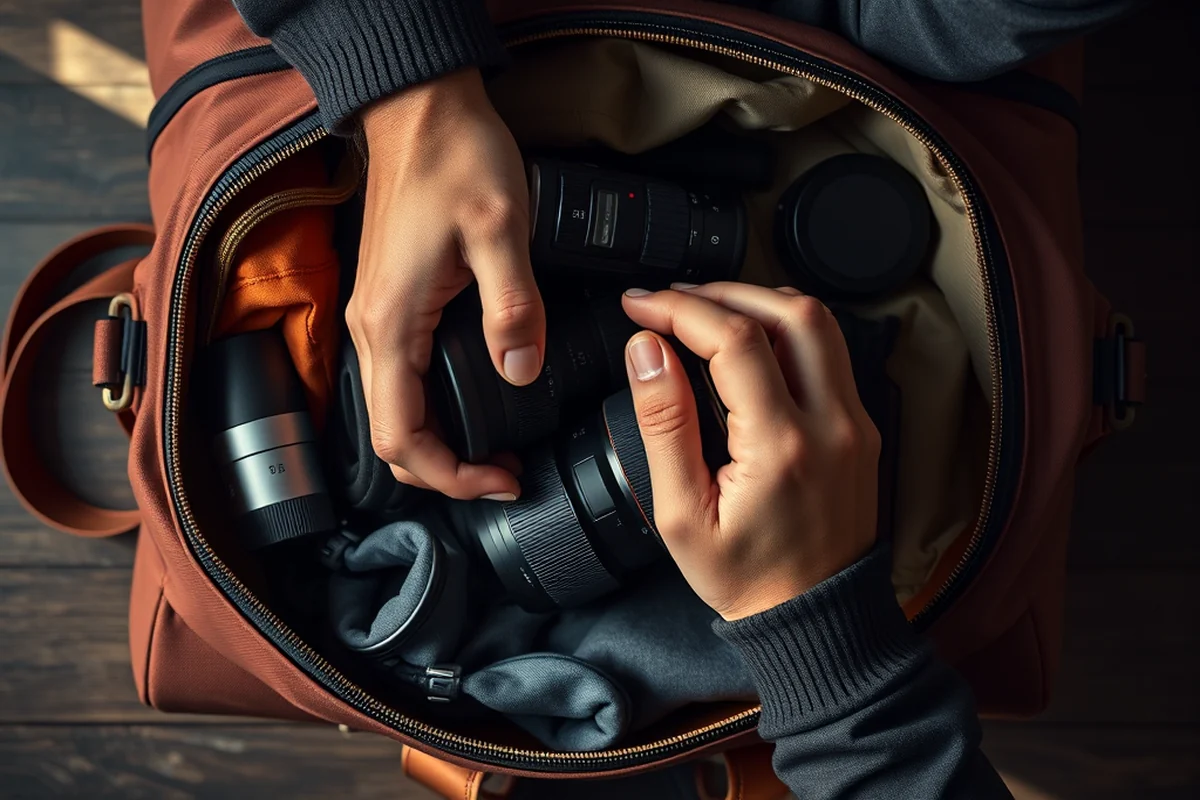
Choosing the right lenses for travel is all about versatility. A wide-angle lens is great for capturing landscapes, while a telephoto lens is useful for photographing distant subjects like wildlife or street performers. I find a 24-70mm lens to be incredibly useful for most travel scenarios.
I’ve used a 50mm prime lens for portraits and street photography, and it’s been a game-changer. It’s small, lightweight, and produces sharp, high-quality images even in low light. A 70-200mm lens is also a good investment if you’re planning to photograph wildlife or sports events.[2]
When choosing lenses, it’s important to consider the weight and size. I’ve found that using a lens with a constant aperture, like f/2.8, is beneficial in low light situations. I also prefer lenses with image stabilization for handheld shooting in challenging conditions.
Related: Travel photo app
Capturing the Moment: Techniques for Travel Photography
Capturing the moment in travel photography requires more than just a good camera—it requires practice, patience, and an understanding of composition. I’ve learned that the rule of thirds is a powerful tool for creating visually appealing images. It helps balance the elements in a frame and draw the viewer’s eye to the subject.
Timing is also crucial. I’ve taken some of my best shots during the golden hour when the light is soft and warm. I often wait for the right moment to capture the perfect silhouette or reflection. Patience and observation are key to capturing the essence of a place.
Using a slower shutter speed can create dynamic effects like motion blur or long exposures. I’ve used a shutter speed of 1/15th of a second to capture the movement of a river or the flow of a crowd. It adds a sense of motion and life to your images.
Related: Travel photo guide
Staying Safe with Your Gear
Staying safe with your camera gear is a top priority when traveling. I always use a padded camera bag with anti-theft features such as slash-proof material and hidden zippers. These bags are designed to protect your gear from both physical damage and pickpockets.
I’ve learned the hard way that leaving your camera unattended in crowded places can lead to theft. I always keep my camera with me, even if it means carrying it in a shoulder bag or cross-body bag. I also use a camera strap that is secure and comfortable for long walks.
Another tip is to avoid using expensive or high-profile gear in unfamiliar areas. I’ve used a camera with a matte finish to avoid drawing too much attention. It’s also a good idea to keep your gear in a safe place when not in use, like a hotel safe or a secure room.
Your gear is an investment—protect it at all costs.
Related: Travel photography best camera
Editing on the Go: Tips for Mobile Photography
Editing on the go with a smartphone can be a valuable tool for travel photography. I use apps like Lightroom Mobile and Snapseed to adjust exposure, contrast, and color balance on the fly. These apps allow me to tweak my photos before sharing them on social media or printing them later.
I’ve found that using the built-in editing tools on my phone is often sufficient for quick adjustments. I also use the histogram feature to check for overexposed or underexposed areas. This helps me ensure that my photos look their best without needing to carry a laptop.
Another tip is to use the phone’s geotagging feature to keep track of where each photo was taken. This is especially useful when you have a large number of photos from a trip. I also use the phone’s voice memo feature to add notes to each photo, which helps me remember the context of the shot.
🧳 Budget Travel with a Camera
Travel with a small budget by using a smartphone camera or a compact mirrorless model.
✈️ Long Weekend Photography Getaway
Capture the essence of a new city in just a few days with a lightweight camera setup.
👨👩👧👦 Traveling with Kids and a Camera
Document family adventures with a camera that’s easy to carry and use for kids.
🌄 Off-Season Adventure Photography
Explore lesser-known destinations with a camera and enjoy fewer crowds and better prices.
👑 Luxury Travel with a Camera
Enhance your luxury travel experience with high-end gear and professional-grade equipment.
| The mistake | Why it happens | The fix |
|---|---|---|
| Bringing too many lenses | Overpacking can be cumbersome and slow you down while traveling. | Stick to two or three versatile lenses that cover a wide range of shooting scenarios. |
| Ignoring battery management | Running out of battery can mean missing a once-in-a-lifetime shot. | Always carry spare batteries and charge them before your trip. Use a portable power bank for on-the-go charging. |
| Not protecting your gear | Leaving your camera unsecured can lead to theft or damage. | Use a padded camera bag with anti-theft features. Keep your camera with you at all times, and avoid leaving it unattended. |
| Over-relying on a smartphone | Smartphones may not offer the same image quality or control as a dedicated camera. | Use a smartphone as a backup, but carry a compact mirrorless camera for better image quality and versatility. |
How To Travel With A Camera
Common Questions
What is the best camera for travel?
How many lenses should I bring on a trip?
How do I protect my camera from the weather?
Can I use a smartphone for travel photography?
References
- What Vacations Do for Your Brain - Cleveland Clinic Health Essentials (health.clevelandclinic.org)
- The Complete Guide To Photography (training.jacksonms.gov)
Cite this guide
Adventure Travel Photography (2026). How To Travel With A Camera. https://pathwayreal.com/how-to-travel-with-a-camera/
Feel free to cite or share this guide.