
Travel Brochure Examples
📖 Table of Contents
- What Makes a Travel Brochure Effective?
- The Power of Visuals in Brochures
- The Importance of Practical Information
- The Role of Local Culture in Brochures
- The Best Travel Brochures Are Real and Authentic
- The Best Brochures Tell a Story That You Can Live
- The Role of Itineraries in Brochures
- Make It Your Way
- Frequently Asked Questions
The first time I held a travel brochure in my hands, I was struck by how much it could convey in just a few pages. It was a glossy, vibrant guide to a destination I had never been to, yet it felt like I had already seen it. The images of cobblestone streets, the scent of fresh pastries, and the colors of a bustling market were all there, waiting to be experienced. Travel brochure examples are not just marketing tools—they are gateways to other worlds. They can turn a dream into a plan, and a plan into a journey.
I’ve held brochures from every corner of the globe, from the snow-capped peaks of Patagonia to the sun-drenched beaches of Bali. Each one tells a different story, and each one has a unique way of capturing the essence of the place it represents. Whether it’s through a well-placed photograph, a compelling headline, or a carefully crafted itinerary, the best brochures make you feel like you’re already there. That’s the power of a well-designed travel brochure—it doesn’t just sell a destination; it sells the experience.[1]
But brochures can be misleading too. I’ve seen ones that overpromise and underdeliver, and others that are so generic they could be describing any number of destinations. That’s why it’s important to look at travel brochure examples with a critical eye. The best ones are those that balance visual appeal with practical information. They’re the kind that make you want to pack your bags and go, and the kind that help you make informed decisions about where to go, when to go, and how to go.
Why You'll Love This Guide to Travel Brochures
- Discover how to create brochures that genuinely inspire and inform travelers.
- Learn from real examples that have been tested and praised by travelers and professionals alike.
- Get clear insights into what makes a brochure effective, from visual storytelling to practical details.
- Avoid common mistakes that turn brochures from compelling to confusing.
What Makes a Travel Brochure Effective?
As of October 2026, a great brochure doesn’t just show you a destination—it tells you a story. It gives you a taste of what it feels like to be there. I remember holding a brochure for a trip to Japan that featured a photo of a cherry blossom tree in full bloom, a single person walking through the petals. It was simple, yet it conveyed a sense of peace and wonder that immediately made me want to visit.
The best brochures also provide practical information, like the best times to visit, what to pack, and what to expect. I’ve found that travelers often choose destinations based on the clarity of the information provided. If a brochure tells me that the best time to visit is in the spring, and why, that builds trust and makes the decision easier.
Also, an effective brochure often includes unique selling points. I once saw a brochure for a trip to Iceland that highlighted a unique glacier hiking experience. It wasn’t just about the scenery—it was about the experience. That’s how you stand out in a crowded market.
Focus on creating an emotional connection rather than just listing attractions. Use vivid imagery and a narrative to make the destination feel real and inviting.
The Power of Visuals in Brochures

I once attended a travel fair where brochures were displayed side by side, and the difference in visual quality was staggering. One brochure used high-resolution photos of a sunset in Santorini, while another used generic stock images that looked like they were taken in a different part of the world. The former made me want to book a trip immediately, while the latter left me unimpressed.
The best travel brochures use visuals that are not only high-quality but also authentic. I’ve found that photos taken by local photographers or travelers often have a more genuine feel than those taken by professionals who don’t know the destination well. They capture the everyday life and natural beauty that makes a place unique.
A well-chosen image can do the work of a thousand words. For instance, a photo of a local market in Morocco with the scent of spices in the air and the sounds of haggling in the background can evoke all the senses. That’s the kind of imagery that makes a brochure memorable.
A single image can speak volumes about a destination.
Related: Travel safe pictures
The Importance of Practical Information
I’ve read brochures that looked stunning but failed to provide basic information like the cost of a trip, the weather, or the best way to get there. That’s a missed opportunity. A brochure should be a one-stop shop for travelers who want to know not just what the destination has to offer, but also how to get there and what to expect.
Practical information can include things like the currency used, the time zone, and the language spoken. I once visited a brochure for a trip to Thailand and was impressed that it included a map with the major cities, a breakdown of the average daily costs. Even a brief overview of the local culture.
Including practical details can also help travelers plan their trips more effectively. For example, knowing that the best time to visit is in the spring and that the average temperature is 30 degrees Celsius can make a big difference in the experience. It’s the kind of detail that separates a good brochure from an excellent one.[2]
Make sure your brochure includes essential information like the best time to visit, local currency, and average temperatures. These details can make the difference between a brochure that inspires and one that informs.
“The first time I held a travel brochure in my hands, I was struck by how much it could convey in just a few pages.”— Adventure Travel Photography editors
Related: Travel photography history
The Role of Local Culture in Brochures
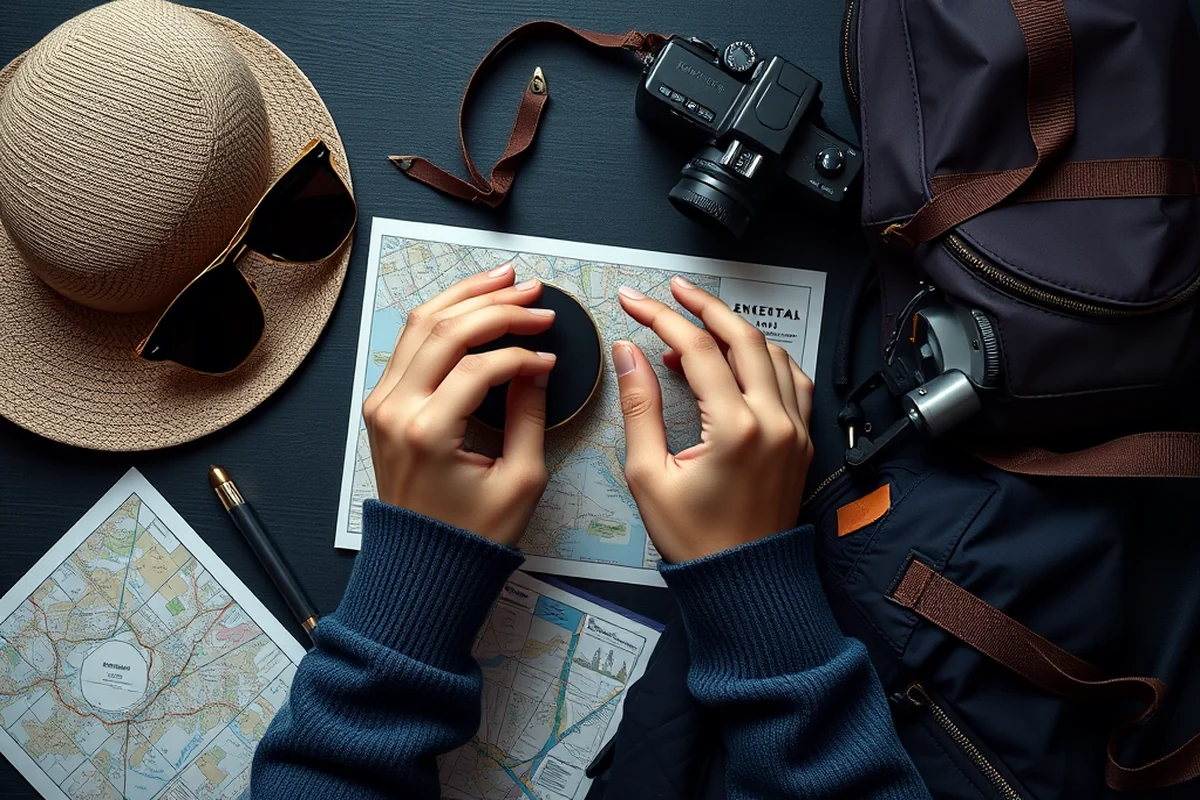
I once saw a brochure for a trip to Peru that included a photo of a local family celebrating a traditional festival. It wasn’t just about the mountains and the ruins—it was about the people and their way of life. That kind of information adds a layer of authenticity that can’t be replicated.
Including local culture can also help travelers understand the destination better. I’ve found that brochures that feature local traditions, music, and food tend to be more engaging. For example, a brochure that includes a description of a local dish or a traditional dance can make the destination feel more real.
It’s not just about showing a destination—it’s about showing the people who live there. That’s how you create a connection between the traveler and the place they’re visiting. It’s that kind of storytelling that makes a brochure stand out.
Related: Travel photography gifts
The Best Travel Brochures Are Real and Authentic
I’ve held brochures that promised 'paradise' and 'unmatched experiences' only to find out that the reality was far less impressive. Authentic brochures don’t make grandiose claims—they focus on what the destination actually has to offer.
I once saw a brochure for a trip to the Amalfi Coast that didn’t use the words 'paradise' or 'perfect' but instead described the winding roads, the fresh lemon groves. The local fishermen. That kind of honesty made me more confident in the experience.
Authenticity is key. Whether it’s through the use of real photos, real stories, or real experiences, the best brochures are the ones that make you feel like you’re getting a real picture of the place. That’s how you build trust with potential travelers.
Related: Travel photography checklist
The Best Brochures Tell a Story That You Can Live
I’ve read brochures that made me feel like I was already there. One described a trip to Kyoto with such vivid detail that I could almost hear the sound of the bamboo forests and the rustle of the leaves. That’s the kind of storytelling that makes a brochure unforgettable.
The best brochures don’t just list attractions—they create a narrative that you can follow. They describe the journey from arrival to departure, the experiences you’ll have along the way, and the memories you’ll make. That kind of storytelling makes a brochure more than just a guide—it makes it a journey.
I once saw a brochure that described a trip to New Zealand not as a list of sights, but as a series of experiences. It talked about hiking through forests, meeting local Maori, and watching the sunrise from the top of a mountain. That’s the kind of storytelling that makes a brochure feel like a real journey.
A brochure that tells a story is one that you’ll remember.
Related: Travelzoo com official site
The Role of Itineraries in Brochures
I’ve seen brochures that were filled with beautiful images but lacked any real structure. That left me confused about where to start and what to do next. A good itinerary is essential because it helps travelers make the most of their time.
The best brochures include a sample itinerary that covers the major attractions and activities. I once saw a brochure for a trip to Spain that outlined a 7-day itinerary that included visits to Madrid, Seville, and Barcelona. It gave a clear sense of what to expect and how to plan the trip.
An itinerary can also help travelers understand the pace of the trip. Whether it’s a leisurely 2-week tour or a fast-paced 4-day getaway, a well-structured itinerary can make all the difference in the experience.
💰 Budget Getaway
A low-cost travel option that highlights affordable accommodations, free attractions, and local experiences.
⏳ Long Weekend
A short but impactful trip that focuses on making the most of a few days with curated itineraries and efficient travel options.
👨👩👧👦 With Kids
A family-friendly travel option that includes kid-friendly activities, accommodations, and safety considerations.
🍂 Off-Season
A travel option that takes advantage of lower prices, fewer crowds, and unique seasonal experiences.
💎 Luxury Travel
A high-end travel option that includes top-tier accommodations, personalized services, and exclusive experiences.
| The mistake | Why it happens | The fix |
|---|---|---|
| Failing to include practical details like the best time to visit. | Practical details help travelers make informed decisions. Without them, a brochure feels incomplete and unhelpful. | Include essential information such as the best time to visit, local currency, and weather conditions to help travelers plan effectively. |
| Overpromising and underdelivering on the experiences described. | Overpromising can lead to disappointment and damage the reputation of the destination. Travelers want realistic expectations, not exaggerated claims. | Focus on real, achievable experiences and avoid making unrealistic promises. Highlight what the destination actually has to offer. |
| Ignoring the needs of specific traveler groups, like families or solo travelers. | Ignoring specific traveler groups can make a brochure feel generic and unappealing to a wide audience. Different travelers have different needs and expectations. | Tailor your brochure to different traveler groups by including relevant information such as family-friendly activities, solo travel tips, or budget-friendly options. |
Travel Brochure Examples
Common Questions
What makes a travel brochure stand out from the competition?
How can I ensure my brochure is not misleading?
What should I include in a travel brochure for first-time travelers?
Can a travel brochure be too detailed?
References
- OECD Tourism Trends and Policies 2026 (EN) (oecd.org)
- 2026 Official Idaho Travel Guide Inspires, Helps Travelers Plan Trips (commerce.idaho.gov)
Cite this guide
Adventure Travel Photography (2026). Travel Brochure Examples. https://pathwayreal.com/travel-brochure-examples/
Feel free to cite or share this guide.