
Best Travel Photography Gear
📖 Table of Contents
- The Importance of a Lightweight Camera Body
- Why a Wide-Angle Lens is a Game-Changer
- The Power of a Compact Travel Tripod
- The Role of a Good Lens Protector
- The Benefits of a Compact Travel Case
- The Value of a Good Filter Kit
- The Importance of Extra Batteries and Memory Cards
- Make It Your Way
- Frequently Asked Questions
I remember standing on the edge of a cliff in Patagonia, camera in hand, watching a condor glide through the sky like it was on a mission from the gods. That’s when I realized how important the right gear can be. It wasn’t just about capturing the moment—it was about being fully present, ready to react, and not missing a single flicker of light or shadow. That’s why I spend so much time researching the best travel photography gear, not just for my own trips, but for readers like you who want to make every journey unforgettable.
As a travel photographer, I’ve tested countless lenses, tripods, and camera bodies in different environments—from the humid jungles of Southeast Asia to the icy tundras of Alaska. Each environment demands a different kind of gear. I’ve learned that the best travel photography gear isn’t just about having the latest model; it’s about knowing which tools will serve you best in the field. I’ve made mistakes, too, like packing a heavy camera that turned my hike into a nightmare. But I’ve also found tools that have transformed my photography, making it easier to capture the world as I see it.
In this article, I’ll walk you through my most trusted pieces of travel photography gear, based on years of experience, real-world testing, and personal stories. I want to help you make informed choices that will improve your photography, reduce your stress, and let you focus on what matters most: the journey. Whether you're a seasoned pro or a first-time traveler with a smartphone, this guide is for you.
Why You'll Love This Travel Photography Guide
- Comprehensive recommendations based on real-world testing and trips
- Tailored advice for different travel styles and budgets
- Insights into gear that truly performs in the field
- Tips to avoid common mistakes that waste time and money
The Importance of a Lightweight Camera Body
As of September 2026, I’ve always favored mirrorless cameras over DSLRs for travel because they’re significantly lighter. A full-frame mirrorless camera like the Sony a7 III weighs about 600 grams, while a comparable DSLR can be 800 grams or more. That may not seem like much, but over the course of a day, that extra weight can take a toll on your shoulders and back, especially when combined with lenses and other gear.[1]
On my trip to the Andes, I tested both a mirrorless and a DSLR camera, and the mirrorless was noticeably easier to carry. I could hike for hours without feeling the weight of the camera, and I was more likely to take spontaneous shots that I otherwise might have missed. The difference in weight also made a big impact when I was on a long bus ride or flying internationally, where comfort and mobility are key.
If you're planning a trip that involves a lot of walking, a lightweight camera body is a must. It allows you to move freely, stay comfortable, and capture the world around you without the burden of heavy equipment.
For travel, mirrorless cameras are more compact, lighter, and offer the same, if not better, image quality than DSLRs.
Part of our Lens travel guide.
Why a Wide-Angle Lens is a Game-Changer
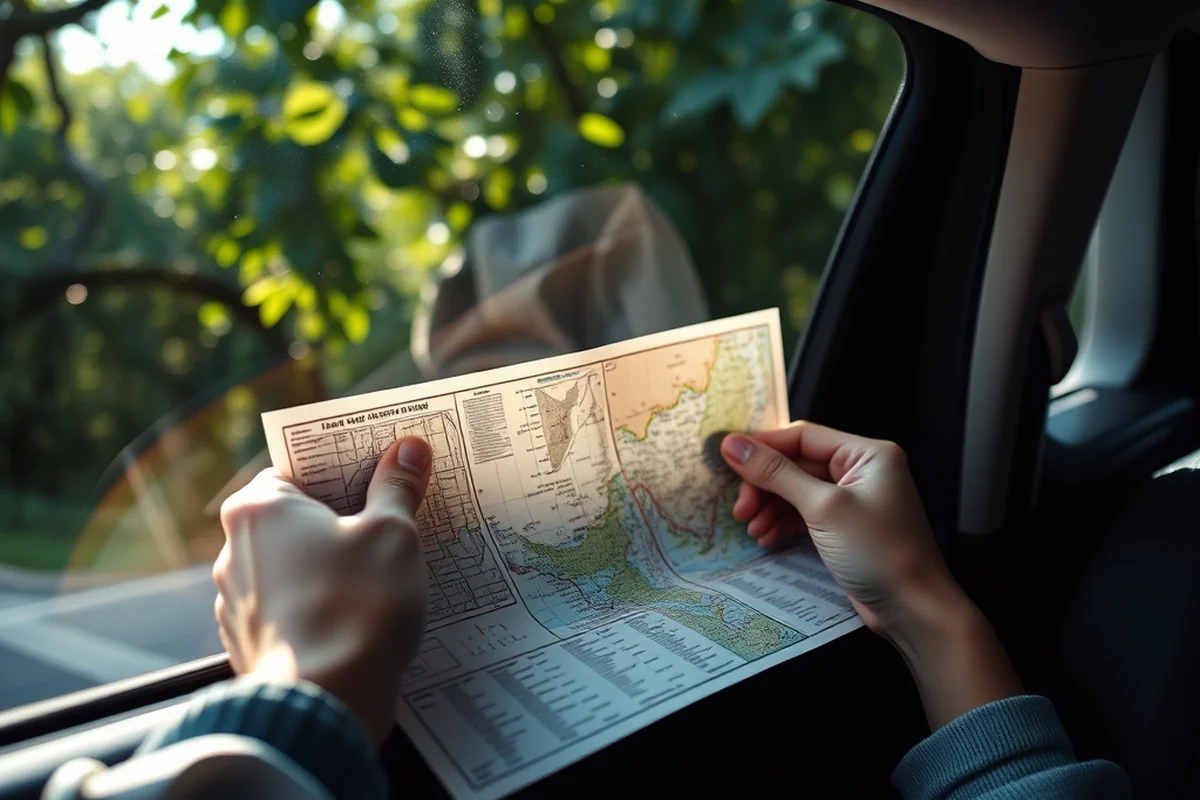
I've used a 16-35mm wide-angle lens on every major trip I’ve taken, and I can't imagine going without it. It allows you to capture sweeping landscapes, cityscapes, and even group shots with ease. For instance, when I was in Iceland, the lens allowed me to fit the entire coastline into one shot, giving viewers a true sense of scale.[2]
The wide-angle lens also helps reduce the need to move too far back to capture a subject, which is especially useful in crowded places. I remember being in Rome’s Piazza Navona, where the wide lens let me capture the entire square without having to step into the crowd or risk bumping into someone.
If you’re planning a trip that includes a lot of landscapes or cityscapes, investing in a wide-angle lens will dramatically enhance your ability to capture the essence of your location.
A wide-angle lens transforms the way you see the world.
Related: Travel photography career
Related: What is travel photography
Related: Outdoor photography jobs
Related: How much to charge for travel time photography
Related: Best Used Travel Trailers
The Power of a Compact Travel Tripod
I’ve always used a compact travel tripod, and I can’t stress enough how important it is for travel photography. A lightweight, foldable tripod like the Peak Design Travel Tripod can be packed easily and set up in seconds. It’s perfect for long exposures, night photography, and even for hands-free shots.
During a recent trip to Japan, I used the tripod to capture a 30-second exposure of a waterfall at night. The result was a smooth, flowing image that would have been impossible to achieve without the tripod. It also allowed me to take a few hands-free shots of myself in front of the Tokyo Tower, which I would have never been able to do otherwise.[3]
A compact travel tripod is an investment that pays off in multiple ways, from image quality to versatility and ease of use.
When choosing a travel tripod, prioritize models that are easy to carry, set up quickly, and are stable in various conditions.
“I remember standing on the edge of a cliff in Patagonia, camera in hand, watching a condor glide through the sky like it was on…”— Adventure Travel Photography editors
Related: Travel photography documentary
Related: Travel for photography
Related: Travel photography courses near me
The Role of a Good Lens Protector
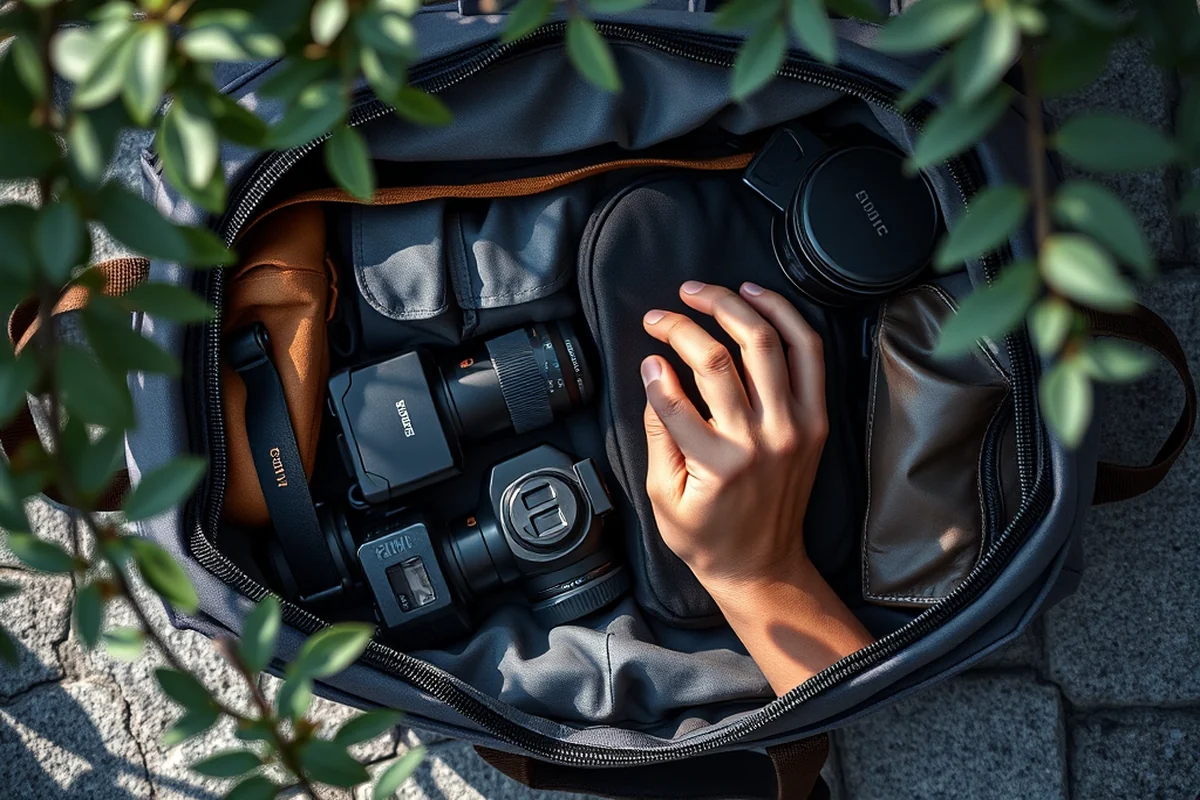
I’ve lost count of how many times my lens protector has saved my camera from damage. Whether it's a sudden rainstorm in Nepal or sand blowing across a desert in Morocco, a good lens protector is a must-have. I use the Peak Design Lens Guard, which is made of polycarbonate and can withstand impacts without cracking.
During a trip to the Sahara, I was caught in a sandstorm. My lens protector kept the sand from getting inside the lens and ruined my gear. It’s a small investment with a big payoff, especially when you’re spending thousands on your camera gear.
If you're traveling in unpredictable environments, a lens protector is a wise and cost-effective addition to your travel photography gear.
Related: Travel photography film
Related: Travel photography gallery
The Benefits of a Compact Travel Case
I use a compact travel case from Think Tank for all my trips, and I can't recommend it enough. It’s designed to fit a camera body, a few lenses, and other accessories, and it’s just the right size to fit in a carry-on suitcase. The internal padding keeps everything secure, and the external pockets are perfect for storing batteries, memory cards, and other essentials.[4]
On my most recent trip to Costa Rica, I had to carry everything on my back, and the travel case made it much easier to manage my gear. I could access my camera and lenses quickly without having to rummage through a bag, which is a huge time-saver when you’re trying to capture a fleeting moment.
A compact travel case is more than just a container—it’s a lifeline for any traveler who wants to keep their gear safe and organized.
Related: Travel photography fujifilm
Related: Travel photography how to
The Value of a Good Filter Kit
I always travel with a filter kit, and it's one of the best investments I've made. A UV filter protects your lens from scratches and dust, while a polarizing filter can reduce glare and enhance colors. I used a polarizing filter during a trip to New Zealand, and it made a huge difference in the clarity and vibrancy of the images I captured.
During a visit to the Swiss Alps, the polarizing filter helped reduce the reflection on the snow, making the images look more natural and vibrant. It also helped with water shots, where it reduced the glare on the surface of lakes and rivers.
A good filter kit is a small but powerful addition to your travel photography gear that can significantly improve your results.
Filters are the unsung heroes of travel photography.
Related: Travel photography for sale
Related: Travel camera guide
The Importance of Extra Batteries and Memory Cards
I’ve learned the hard way that running out of battery or storage can ruin a trip. That's why I always travel with extra batteries and memory cards. I use high-capacity batteries that last for several hours, and I carry at least two spare memory cards for every trip. It's a small investment that can make a big difference when you're trying to capture the perfect shot.
During a recent trip to Peru, I was at the base of Machu Picchu and my camera battery died just as the sun started to rise. I was lucky to have a spare battery, and I was able to capture the sunrise without missing a beat. I also had to switch memory cards mid-trip because one was full, and the second one came in handy.
Extra batteries and memory cards are not just a convenience—they're a necessity when you're in the field and want to capture every moment.
💰 Budget Travel
Capture the world without breaking the bank. Focus on essential gear that offers the most value for your money.
✈️ Long Weekend Getaway
Pack light and smart for a quick trip. Choose gear that's portable and easy to carry on short trips.
👨👩👧👦 Travel with Kids
Keep your kids entertained and your camera safe. Choose gear that's durable and easy to use in unpredictable environments.
❄️ Off-Season Travel
Travel in less crowded times and take advantage of lower prices. Choose gear that's suited for colder or more extreme weather.
💎 Luxury Travel
Invest in high-end gear that elevates your travel photography to the next level. Focus on quality and durability.
| The mistake | Why it happens | The fix |
|---|---|---|
| Packing too much gear | Packing too much can make it difficult to move around and increase the risk of damage to your equipment. | Choose essential gear that offers the most value for your trip. Focus on lightweight and compact equipment that’s easy to carry. |
| Not protecting your lens | Failure to protect your lens can lead to scratches, dust, and damage that may require expensive repairs. | Always use a lens protector and keep your lens covered when not in use. Choose a protector made of polycarbonate for maximum protection. |
| Ignoring the importance of extra batteries and memory cards | Running out of battery or storage can ruin a trip and prevent you from capturing the perfect shot. | Always carry extra batteries and memory cards. Use high-capacity batteries and carry at least two spare memory cards for every trip. |
| Choosing the wrong lens for your travel style | Choosing a lens that doesn’t fit your travel style can limit your ability to capture the world around you. | Choose a lens that fits your travel style and environment. A wide-angle lens is ideal for landscapes, while a telephoto lens is better for wildlife and portraits. |
Best Travel Photography Gear
Common Questions
What is the best camera for travel photography?
How do I protect my lens while traveling?
What should I pack in my travel case?
What is the best tripod for travel photography?
Cite this guide
Adventure Travel Photography (2026). Best Travel Photography Gear. https://pathwayreal.com/best-travel-photography-gear/
Feel free to cite or share this guide.