
Travel For Photography
📖 Table of Contents
- The Power of Timing: Why You Should Wake Up Early
- The Hidden Gems: Why You Should Travel Off-Season
- The Importance of Research: How to Plan Your Photography Trips
- The Power of Patience: How to Wait for the Perfect Moment
- The Value of a Local Guide: Why It’s Worth the Investment
- The Art of the Solo Traveler: Why You Should Go Alone
- The Impact of Your Photography: Why It Matters
- Make It Your Way
- Frequently Asked Questions
I remember the first time I traveled for photography — it was a four-day trip to the Amalfi Coast, and I woke up at 5:30 AM to capture the sunrise over Positano. The air was crisp, the sea a mirror of the sky, and the silence was broken only by the distant call of a seagull. I wasn’t just traveling for the sake of moving from one place to another; I was chasing light, color, and the perfect composition that only a specific location could provide. That trip taught me that travel for photography is not about ticking off destinations, but about seeking out the stories that only a camera can tell.[1]
Travel for photography is a unique blend of planning and spontaneity. I’ve been to places where I spent days researching the best times to photograph a waterfall or the most secluded beach with untouched sand. But I’ve also had moments where I took a wrong turn on a narrow mountain road and stumbled upon a village that felt like it had been frozen in time — a place that only a few people knew about. This kind of travel isn’t for everyone, but for those who see the world through a lens, it becomes an addiction.
The more I travel for photography, the more I understand that it’s not about the number of places you visit, but the depth of the images you take. I’ve spent weeks in one location, waiting for the right light to capture the essence of a place. I’ve also been on trips where I barely made it out of the airport. I still came back with a folder full of photographs that made me feel like I’d lived a lifetime in a few hours. Travel for photography is about patience, timing, and the ability to connect with a place on a level that most people can’t imagine.
Why You'll Love This Type of Travel
- You get to explore places that most people never see.
- You learn to see the world through a different lens — literally.
- You find hidden gems that aren’t in the guidebooks.
- You create a visual story that lasts a lifetime.
The Power of Timing: Why You Should Wake Up Early
As of August 2026, I’ve learned that the best photographs are not taken at the busiest times of the day. I remember one trip to Kyoto where I got up at 4:30 AM and walked through the bamboo forest before the first tourist arrived. The mist was still in the air, and the light was just soft enough to make the leaves glow. It felt like I was the only person in the world.[2]
The golden hour, which occurs about an hour before sunset, is another prime time for photography. I’ve captured sunsets over the Sahara Desert and watched the light dance across the dunes in a way that felt almost sacred. It’s not just about the light — it’s about the atmosphere, the silence, and the feeling that you’re in a place that’s untouched by time.
To make the most of these times, I always plan my itinerary around the golden hour and the blue hour. This means adjusting my travel plans and even my meals to fit into these windows. It’s not easy, but the results are worth it.
Pack a headlamp, set your alarm for 4:30 AM, and be ready to explore the world before the rest of it wakes up. Your camera will thank you.[3]
Part of our Lens travel guide.
The Hidden Gems: Why You Should Travel Off-Season
I’ve been to Santorini in November, and it was nothing like the postcard-perfect images you see online. The streets were quiet, the boats were gone, and the light was soft and golden. I had the entire caldera to myself, and I took some of the most incredible photographs of my life.
Traveling off-season is not just about the photographs — it’s about the experience. I’ve visited places like Iceland in February and been the only person on the entire island. It’s a surreal feeling, and it makes you realize how much of the world is still unexplored.
Off-season travel is also more budget-friendly. I’ve saved hundreds of dollars on flights and accommodations by traveling during the shoulder season. It’s a win-win for both your wallet and your camera.
Traveling off-season is like finding a secret that everyone else missed — and it’s yours alone.
Related: Travel photography documentary
Related: What is travel photography
Related: Travel photography fujifilm
Related: Travel photography how to
Related: Outdoor photography jobs
Related: Travel photography courses near me
The Importance of Research: How to Plan Your Photography Trips
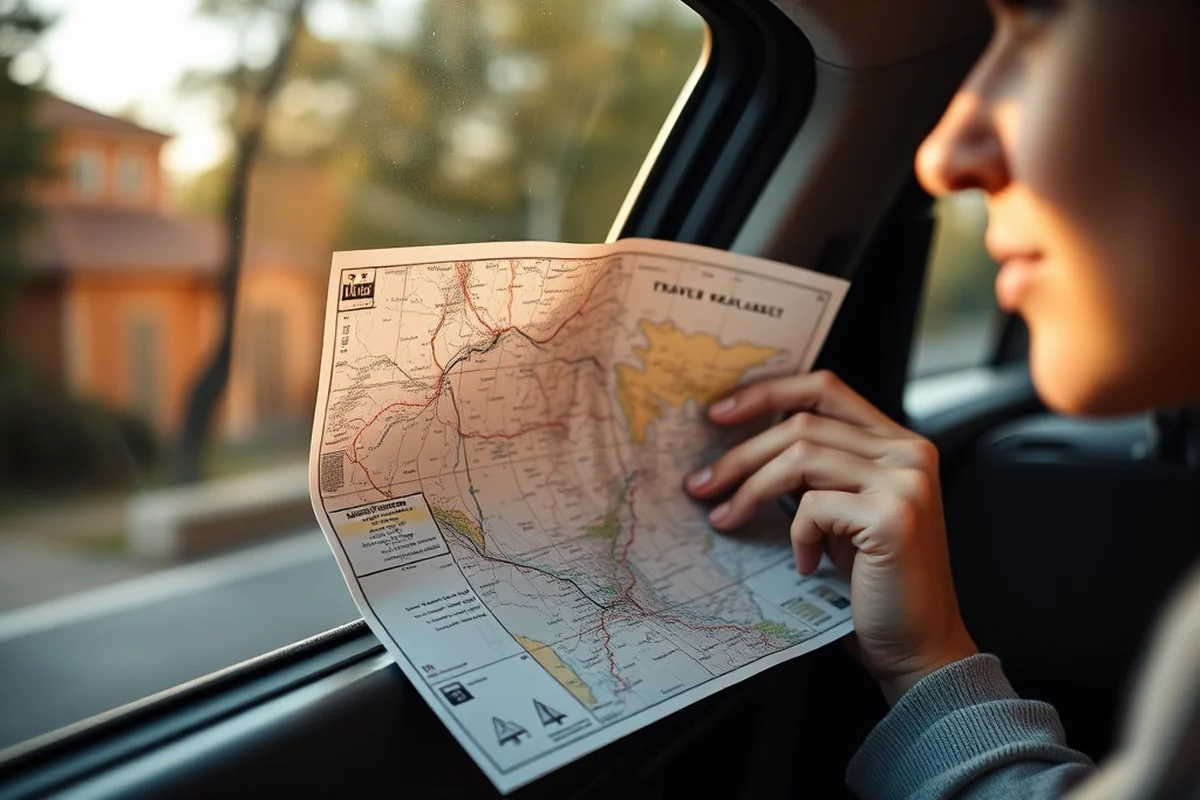
I’ve spent hours on Google Maps, looking for the best vantage points in each city. I’ve also asked locals for recommendations and even paid for a guide to take me to places that aren’t in the guidebooks. This kind of research ensures that I’m not just taking random photographs — I’m telling a story.[4]
I’ve also learned the importance of knowing the weather patterns in each location. For example, I know that the best time to photograph the Northern Lights is between September and March, and I plan my trips accordingly. It’s not just about the destination — it’s about the conditions that make it possible to take a great photograph.
Research also helps you avoid common pitfalls, like missing the best light or arriving too late for the best views. It’s the difference between a mediocre photograph and a masterpiece.[5]
Do your homework before you leave. Look up the best times for light, the best vantage points, and the best places to avoid crowds. Your photographs will thank you.
“I remember the first time I traveled for photography — it was a four-day trip to the Amalfi Coast, and I woke up at 5:30…”— Adventure Travel Photography editors
Related: Travel photography film
Related: Travel photography for sale
Related: Travel camera guide
Related: Best travel photography gear
Related: How much to charge for travel time photography
The Power of Patience: How to Wait for the Perfect Moment
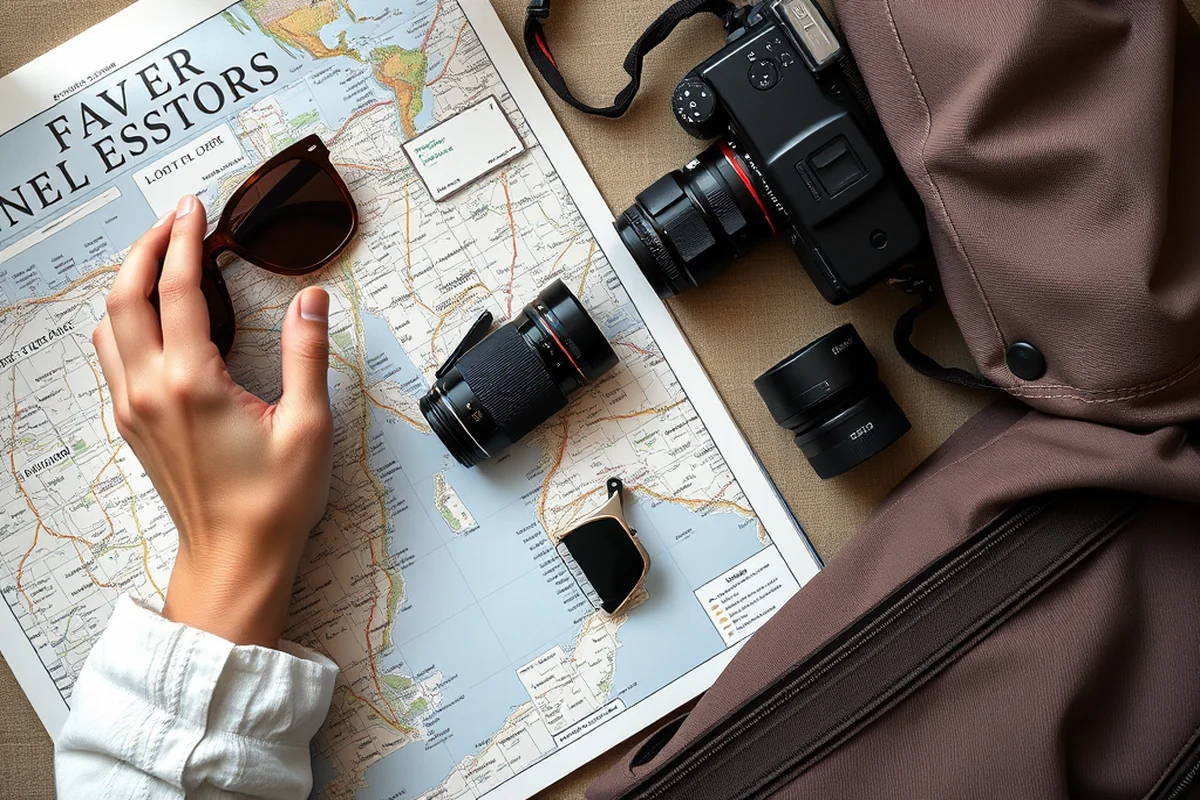
I’ve spent hours waiting for the perfect light to hit a mountain, and I’ve waited for the perfect moment to capture a sunset over the ocean. It’s not easy, but it’s what makes the difference between a good photograph and a great one.
I’ve also learned that sometimes the best photographs come from unexpected places. I once waited for 20 minutes at a street corner in Istanbul. Just as I was about to leave, a group of children ran by with balloons — and I took one of the most unique photographs of my life.
Patience also means knowing when to move on. I’ve learned to recognize when a location is not giving me the results I want, and I’ve moved on to the next place. It’s a lesson I’ve learned the hard way.
Related: Travel photography gallery
The Value of a Local Guide: Why It’s Worth the Investment
I’ve hired local guides in places like Morocco and Peru, and each time, I’ve come back with photographs that I never would have taken on my own. They know the best times to go, the best places to avoid crowds, and the best angles for each shot.
Local guides also know the culture, the history, and the stories behind each location. They can tell me about the best time to photograph a market or the best place to capture a sunset over a village. It’s not just about the photography — it’s about the experience.
It’s also worth noting that hiring a local guide is a great way to support the local economy. I’ve met some of the most incredible people through these guides, and I’ve learned things that I never would have discovered on my own.
Related: Travel photography career
The Art of the Solo Traveler: Why You Should Go Alone
I’ve traveled alone to places like Iceland and Bhutan, and each time, I’ve felt a sense of freedom that I’ve never experienced before. I could wake up at any time, go anywhere, and take photographs without worrying about others.
Traveling alone also means that I’m not limited by the schedules of others. I can go to a remote location at any time, and I don’t have to wait for anyone else. It’s the kind of flexibility that only a solo traveler can have.
It’s not always easy — there are times when I’ve felt lonely or unsure of myself. But the photographs I’ve taken on these trips have always been worth it. It’s the kind of experience that only a solo traveler can have.
Traveling alone is like being the only person in the frame — and you get to decide exactly what goes in.
The Impact of Your Photography: Why It Matters
I’ve taken photographs of places that have been overlooked by the world, and I’ve seen the impact that those photographs can have. I’ve shared images of remote villages, and I’ve seen those villages gain recognition and support from people who never knew they existed.
Photography can also be a way to preserve the beauty of a place before it changes. I’ve taken photographs of places that are at risk of being lost to development, and I’ve seen those photographs help raise awareness and protect those places.
It’s also about the people who see your photographs. They can feel the emotion, the beauty, and the story behind each image. That’s the power of photography — it connects people in a way that words never could.
💰 Budget Getaway
Capture the world without breaking the bank — with $680, you can travel for photography on a budget.
🌅 Long Weekend Escape
A quick trip to a nearby destination that offers stunning photography opportunities — perfect for a short break.
👨👩👧👦 With Kids
Traveling for photography with kids can be a challenge, but there are plenty of destinations that are both kid-friendly and visually stunning.
❄️ Off-Season Adventure
Experience the world at its most untouched — with fewer people, better light, and more unique opportunities.
💎 Luxury Photography Trip
Travel in style, with all the comforts and amenities you need to focus on capturing the perfect shot.
| The mistake | Why it happens | The fix |
|---|---|---|
| Not doing enough research before the trip | Without proper research, you might miss the best times for light or end up in the wrong place at the wrong time. | Plan your trip around the best times for light, and research the best vantage points in advance. |
| Overpacking your camera gear | Too much equipment can be a burden, and it can also limit your mobility and spontaneity. | Pack only the essentials — your camera, a few lenses, and a few extra batteries. You can always buy more gear locally if needed. |
| Ignoring the local culture | Failing to respect the local culture can lead to misunderstandings, missed opportunities, and even being banned from certain locations. | Research the local customs, dress appropriately, and be respectful of the people and places you visit. |
| Not being flexible | Traveling for photography requires flexibility — the best shots often come from unexpected places and times. | Be ready to adjust your plans at a moment’s notice. Sometimes the best photographs come from the unplanned moments. |
Travel For Photography
Common Questions
How do I plan a photography-focused trip?
What should I pack for a photography trip?
How do I find hidden photography spots?
What’s the best time of year to travel for photography?
Cite this guide
Adventure Travel Photography (2026). Travel For Photography. https://pathwayreal.com/travel-for-photography/
Feel free to cite or share this guide.
References
- (PDF) Visual Images in Travel Writing - Academia.edu (academia.edu)
- Phil Anderson | Photography (andrews.edu)
- 2023.11.1 Illinois Tourism Request for Photo Submissions (arts.illinois.gov)
- Barthes and Time Traveling with Photography - Honors College Blog (blogs.bsu.edu)
- Photographers : Occupational Outlook Handbook (bls.gov)