
What Is Intimate Landscape Photography
📖 Table of Contents
- What Is Intimate Landscape Photography?
- Why It Matters in Travel Photography
- How to Start Practicing Intimate Landscape Photography
- The Equipment You Need
- Finding the Best Locations for Intimate Landscape Photography
- Challenges in Intimate Landscape Photography
- The Rewards of Intimate Landscape Photography
- Make It Your Way
- Frequently Asked Questions
There I was, standing on a windswept hillside in Patagonia, my camera trembling slightly as I tried to capture the vastness of the Andes. It wasn’t the grandeur that caught me, though — it was the tiny details: the way the sunlight filtered through the lichen on a rock, the silhouette of a lone penguin waddling across the shore, the delicate veins of a leaf caught in a gust of wind. That was the first time I truly understood what intimate landscape photography is: not about sweeping horizons, but about the quiet, often overlooked moments that make a place feel alive.[3]
Intimate landscape photography is the art of finding beauty in the small — the way a stream carves through a field, the texture of a weathered stone, the way sunlight dances through the trees. I remember one day in the Scottish Highlands, where I spent hours waiting for the right light to hit a single, ancient tree. When it did, the way the shadows pooled at its base and the way the bark glowed in the late afternoon light was something I will never forget. That’s the magic of this kind of photography — it’s not about the big picture, it’s about the details that define the big picture.[4]
This kind of photography is deeply personal, and it requires patience, a keen eye, and the willingness to slow down. I’ve found that the most powerful images come from moments that are fleeting, like the way a fog rolls over a lake at dawn or the reflection of a cloud in a still pond. These are the moments that, if you’re not there, you’ll miss. And that’s why I’m here to share what I’ve learned — to show you what intimate landscape photography is. How you can find your own version of it on your next journey.[5]
Why You'll Love This Style of Travel Photography
- It transforms the ordinary into the extraordinary — even the smallest natural detail can tell a powerful story.
- It allows you to connect more deeply with the places you visit, encouraging mindfulness and presence.
- It challenges your eye for composition, pushing you to see the world in new and creative ways.
- It’s a great way to capture the soul of a location, not just its surface or its most famous landmarks.
What Is Intimate Landscape Photography?
As of August 2026, Intimate landscape photography is about capturing the textures, colors, and patterns found in nature that are often overlooked. It’s not about the mountain peaks or the vast oceans — it’s about the individual elements that make up those landscapes. I’ve found that this style of photography is particularly powerful when it captures the mood and emotion of a place, like the way light falls on a rock or the movement of a river’s current.[1]
In my travels, I’ve discovered that the most evocative images often come from the smallest details. A single flower in a field, a patch of moss on a stone, or the way the light catches in a spider’s web — these are the things that tell the story of a place in a way that a wide-angle shot never could. It’s about looking closely, and it’s about patience. I’ve spent hours waiting for the right light to strike a particular scene, and the results are always worth it.
This kind of photography is not about capturing the obvious. It’s about finding the hidden beauty in the everyday. Whether it’s the way fog rolls over a lake at dawn or the pattern of a tree’s bark, these images reveal the personality of a place in a way that’s deeply personal and often moving.
A macro lens allows you to get extremely close to your subject, revealing textures and details that the human eye might miss. I've found that using a macro lens has transformed my approach to intimate landscape photography — it lets me see the world in a whole new way.
Why It Matters in Travel Photography
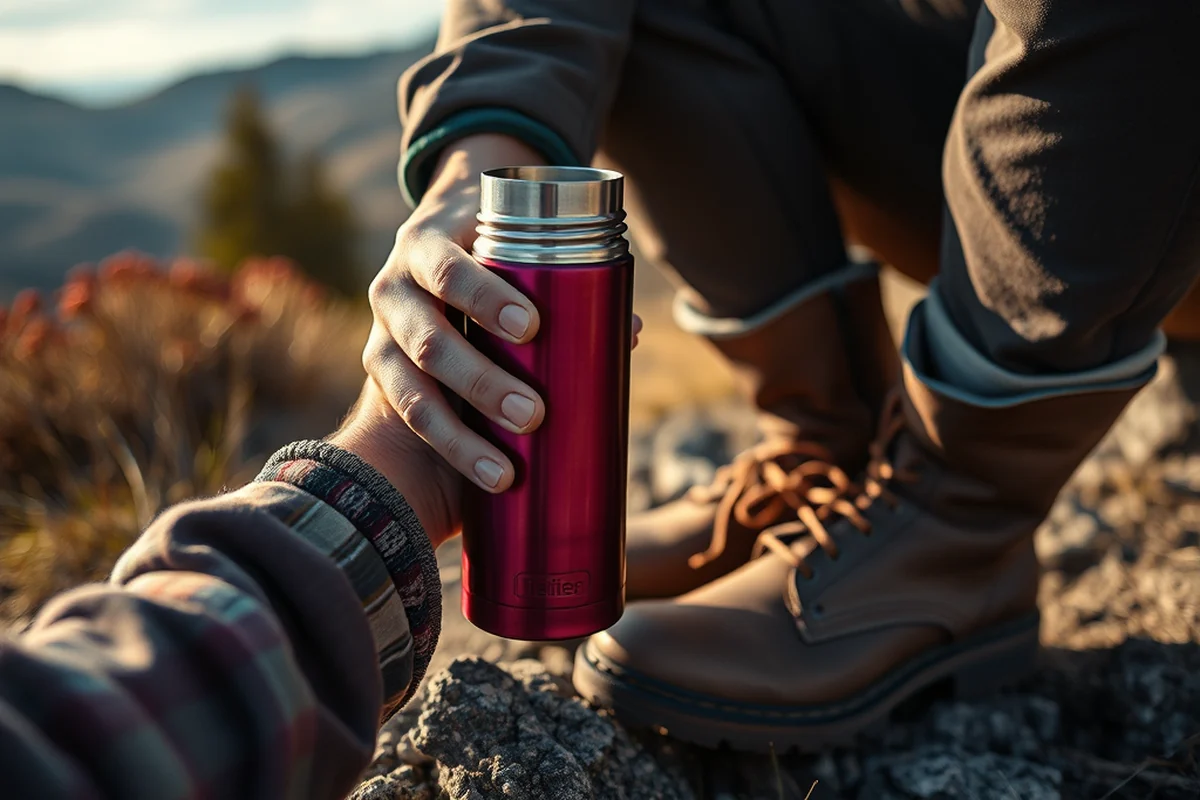
Intimate landscape photography is more than just a technique — it's a way of seeing. When you take the time to focus on small details, you begin to notice things you might otherwise overlook. I’ve found that this kind of photography encourages a deeper connection with the places I visit. It makes me more present, more observant, and more appreciative of the environment around me.
For example, I once spent an entire day photographing the reflections in a still pond in New Zealand. What started as a simple idea turned into a meditation on the way light and water interact. It was in those quiet, intimate moments that I felt the most connected to the place. That kind of connection is what makes travel photography so powerful — it’s not just about capturing images, it’s about capturing experiences.
This style of photography also helps you see the world differently. Instead of rushing through a destination to check off the 'must-see' spots, you're encouraged to slow down and pay attention to the subtleties of the environment. It's a practice that can change the way you travel forever.
Intimate landscape photography changes the way you see — and that changes the way you travel.
Related: Landscape photography best
Related: Landscape photography best lenses
Related: Landscape photography history
Related: Can landscape photography include people
Related: What are landscape photography
Related: Nature Photography Books
Related: What Is Landscape Pictures
Related: Project Flight Tracker
Related: Royal Caribbean Ships
Related: What'S Landscape Photo
Related: What Is Nature Landscape Photography
Related: Cruises For Older Adults
How to Start Practicing Intimate Landscape Photography
The first step in practicing intimate landscape photography is to start looking closely. Instead of aiming your lens at the horizon, focus on the textures of a tree’s bark or the way light filters through a forest. I’ve found that carrying my camera with me at all times helps me capture these fleeting moments — the way a leaf falls from a branch or the way a spiderweb glistens in the morning dew.
Light is one of the most important elements in this kind of photography. I always try to shoot during the golden hour, when the light is soft and warm, or during the blue hour, when the sky takes on a deep, mysterious hue. These times of day create a unique atmosphere that can transform even the most ordinary subjects into something extraordinary.
Another key tip is to be patient. I've learned that the best images often come after waiting for the right moment. Whether it's waiting for the wind to die down so you can capture the reflection of a cloud in a still pond or waiting for the right angle of light to highlight the texture of a rock, patience is essential.
Light is the most powerful tool in your photography kit. I've found that the best intimate landscape photos are taken during the golden or blue hours when the light is soft and directional. Experiment with different times of day to see how the light affects your subject.
“There I was, standing on a windswept hillside in Patagonia, my camera trembling slightly as I tried to capture the vastness of the Andes.”— Adventure Travel Photography editors
The Equipment You Need
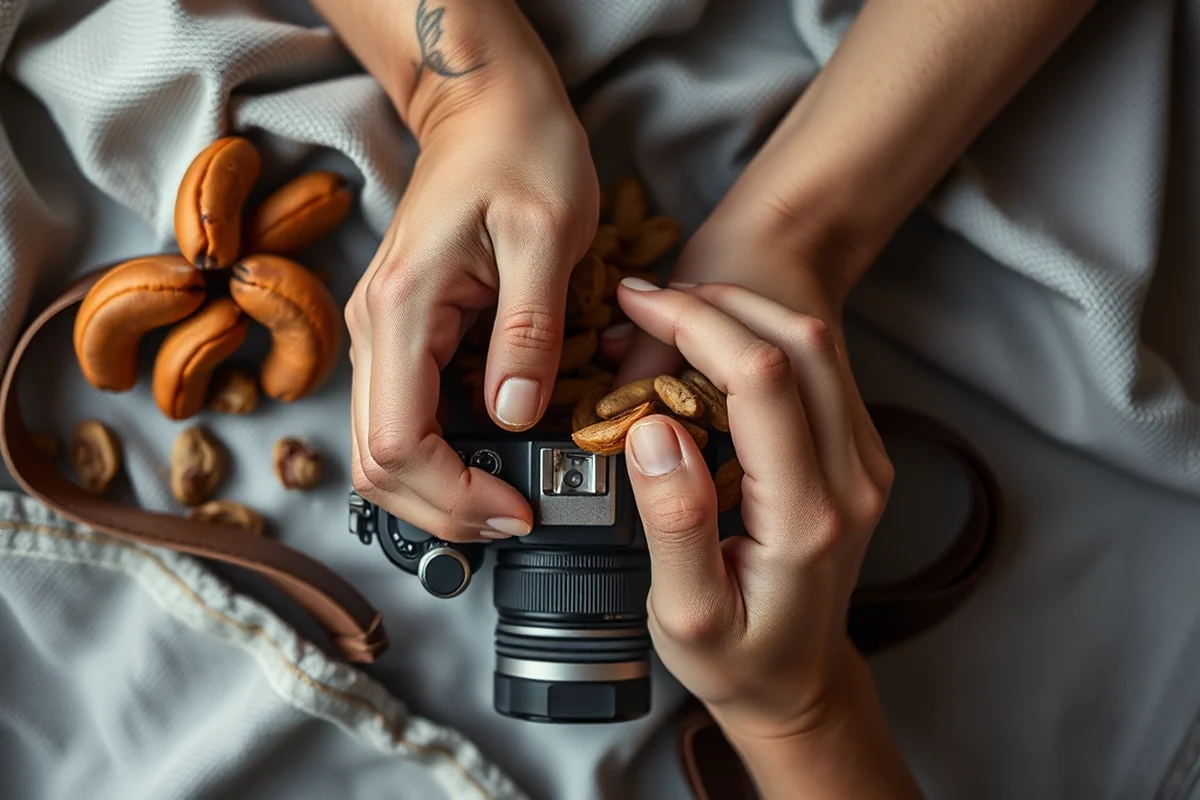
While it's possible to practice intimate landscape photography with just a smartphone camera, investing in a few key pieces of equipment can make a big difference. A macro lens is absolutely essential — it allows you to get up close and personal with your subject, revealing textures and details that might otherwise go unnoticed. I’ve found that using a macro lens has transformed the way I approach this style of photography.
A tripod is also invaluable, especially when shooting in low light or when you want to capture long exposures. I’ve used a tripod to photograph the movement of water in a stream, and the results were absolutely stunning. It’s also a great tool for experimenting with different angles and compositions.
Another useful piece of gear is a polarizing filter. This can help reduce glare on water and enhance the colors in your images, making your photos look more vibrant and lifelike. I’ve found that using a polarizing filter has made a noticeable difference in the quality of my intimate landscape photos.
Finding the Best Locations for Intimate Landscape Photography
When choosing a location for intimate landscape photography, I look for places with natural textures, patterns, and light. Forests, lakes, and rocky outcrops are all excellent choices because they offer a variety of surfaces and elements to photograph. I’ve found that the best locations are often the ones that feel untouched or secluded — places where nature is allowed to be itself without interference.
I’ve spent a lot of time in national parks and protected areas, where the natural beauty is at its most pristine. These places are ideal because they offer a wide range of subjects and lighting conditions. For example, I once spent a day photographing the reflections in a still lake in the Swiss Alps, and the results were absolutely breathtaking. The way the light played across the water was something I will never forget.
It's also important to be aware of the weather and the time of day. I’ve found that early mornings and late afternoons are the best times for this kind of photography because the light is soft and the colors are more vibrant. I always try to plan my shoots around these times to get the best results.
Challenges in Intimate Landscape Photography
One of the biggest challenges in intimate landscape photography is patience. I’ve learned that the best images often come after waiting for the right moment — whether it's waiting for the wind to die down so you can capture the reflection of a cloud in a still pond or waiting for the right angle of light to highlight the texture of a rock. It can be difficult to sit and wait for these moments, especially when you’re used to moving quickly from one location to another.
Another challenge is finding the right location. I’ve found that the best spots are often the most remote — places where the natural beauty is at its most pristine. These locations can be hard to get to, and they often require a lot of planning and preparation. I’ve had to drive hours to reach some of the best spots, and it’s been worth it every time.
Lastly, it's easy to get discouraged when you're not seeing the results you want. I’ve had days where I come back with nothing but a few blurry shots, and it can be frustrating. But I’ve learned that the key is to keep going — to keep experimenting, to keep trying new angles and lighting conditions. The best images often come from the most unexpected places.
Patience is the key to capturing the essence of a place — and that’s what makes this style of photography so rewarding.
The Rewards of Intimate Landscape Photography
One of the greatest rewards of intimate landscape photography is the way it helps you connect with the world. I’ve found that when I take the time to focus on small details, I begin to see the world in a more profound way. It’s not just about capturing images — it’s about capturing experiences, and those experiences are what make travel so meaningful.
Another reward is the way this style of photography challenges your eye for composition. I’ve learned that the best images often come from the most unexpected places — and that has pushed me to look at the world in new and creative ways. I’ve discovered that even the most ordinary scenes can be transformed into something extraordinary with the right lighting and composition.
Perhaps the greatest reward of all is the sense of satisfaction that comes from creating something truly unique. I’ve found that when I’m able to capture a moment that feels completely personal and meaningful, it’s an experience that I will carry with me for years to come.
💰 Budget Adventure
Travel to a local park or nature reserve and practice intimate landscape photography with minimal expenses. Ideal for beginners and those on a tight budget.
🌄 Long Weekend Getaway
Pack a light camera and travel to a nearby mountain range or coastal area. Spend a few days exploring and capturing intimate details in a new environment.
👨👩👧👦 With Kids
Take the whole family on a short trip to a nature reserve where they can explore and learn about the small details of the landscape. A great way to bond and teach kids to see the world more closely.
🍂 Off-Season Travel
Visit a destination during the off-season when the crowds are gone and the light is softer. This is the perfect time for intimate landscape photography, as the landscape feels more serene and untouched.
🏰 Luxury Escape
Travel to a remote, exclusive location with a private guide and high-end gear. This is the ultimate way to experience intimate landscape photography with all the comforts of luxury.
| The mistake | Why it happens | The fix |
|---|---|---|
| Using a wide-angle lens for small subjects | A wide-angle lens is not ideal for capturing small details — it can distort the image and make it difficult to focus on the subject. | Use a macro lens or a telephoto lens to get closer to your subject and capture the details more clearly. |
| Ignoring the quality of light | Light is one of the most important elements in photography, and ignoring it can lead to flat, lifeless images. | Always pay attention to the time of day and the quality of light. The best images are often taken during the golden hour or blue hour. |
| Not waiting for the right moment | Intimate landscape photography is about capturing fleeting moments, and rushing can lead to missed opportunities. | Be patient and wait for the right moment — the best images often come after waiting for the perfect light or angle. |
| Trying to capture too much in one shot | Intimate landscape photography is about focusing on small details, not sweeping vistas. Capturing too much can make the image feel cluttered and overwhelming. | Simplify your composition — focus on a single element or a small part of the landscape to create a more powerful image. |
What Is Intimate Landscape Photography
Common Questions
What kind of camera do I need for intimate landscape photography?
Where can I practice intimate landscape photography?
How long does it take to master this style of photography?
Can I do this style of photography on a short trip?
Cite this guide
Adventure Travel Photography (2026). What Is Intimate Landscape Photography. https://pathwayreal.com/what-is-intimate-landscape-photography/[2]
Feel free to cite or share this guide.
References
- Creating a Latinx Space in the American Artistic Landscape (arts.gov)
- Interview with Holger Thoss - NYU Arts & Science (as.nyu.edu)
- From Our Eyes: Catherine Opie Explores the American Landscape ... (blogs.chapman.edu)
- Landscape Photography Research Papers - Academia.edu (academia.edu)
- Helga Teiwes photograph collection (americanindian.si.edu)