
Outdoor Photography Jobs
📖 Table of Contents
- What It Really Takes to Land Outdoor Photography Jobs
- How to Find Outdoor Photography Jobs
- The Best Seasons and Times to Shoot
- The Equipment You’ll Need
- Building Your Brand as an Outdoor Photographer
- The Financial Side of Outdoor Photography Jobs
- The Impact of Outdoor Photography on Conservation
- Navigating the Legal and Ethical Landscape of Outdoor Photography Jobs
- Make It Your Way
- Frequently Asked Questions
There's something electric about standing on a mountain ridge at dawn, the first light spilling over the peaks, your camera in hand and your heart racing. That’s the feeling I chase every time I head out for an outdoor photography job. It’s not just about capturing a moment—it’s about immersing yourself in the raw, unfiltered beauty of the world, and translating that into images that others can feel. These jobs are for people who love to travel, who crave adventure, and who see the world through a lens that’s always searching for the next shot.
Outdoor photography jobs are more than just a career—they’re a way of life. Whether you're hiking through the Scottish Highlands, kayaking through the fjords of Iceland, or scaling the rocky cliffs of Patagonia, the work is as much about the journey as it is about the final image. I’ve traveled to over 40 countries and shot everything from wildlife to landscapes, and each experience has taught me something new. The best shots come from being present, from knowing the terrain, and from understanding the rhythm of nature.[1]
But this isn’t just about the thrill of the adventure. It’s also about the practical side—how to build a portfolio that stands out, how to network with travel brands and magazines, and how to find the right balance between work and exploration. I’ve learned through trial and error that outdoor photography jobs require more than just a good camera. You need resilience, adaptability, and a deep respect for the environments you’re photographing. It’s a challenge, but one that’s worth every step.
Why You'll Love This Lifestyle
- Unparalleled access to some of the most stunning and remote locations on Earth.
- A flexible schedule that allows you to travel while earning a living.
- The chance to build a visually rich portfolio that tells stories of the world.
- A community of like-minded travelers and creatives who share your passion.
What It Really Takes to Land Outdoor Photography Jobs
As of September 2026, I remember my first assignment in the Canadian Rockies. I had to hike 10 miles before sunrise to get the perfect shot of a glacier. My gear was packed, my camera was waterproof, but more importantly, I had a plan. I knew the weather patterns, the best vantage points, and the risks involved. This kind of work isn’t for the faint of heart—it requires preparation, adaptability, and a whole lot of patience.[2]
To land a job in this field, you must be able to navigate challenging terrain and work in unpredictable conditions. You’ll often be on your own, relying on your own judgment and skills. I’ve met photographers who have gone through months of training and even taken wilderness first aid courses just to be prepared for the unpredictable nature of the work.
But the payoff is incredible. There’s a deep satisfaction in knowing that you’ve captured something rare and beautiful, and that your work helps others connect with the natural world. It’s not just about taking pictures—it’s about telling stories that matter.
Always study the area you're planning to photograph. Know the weather, the best times for light, and the potential hazards. I once missed a rare wildlife sighting because I didn’t know the local migration patterns. Preparation is key.[3]
Part of our Lens travel guide.
How to Find Outdoor Photography Jobs
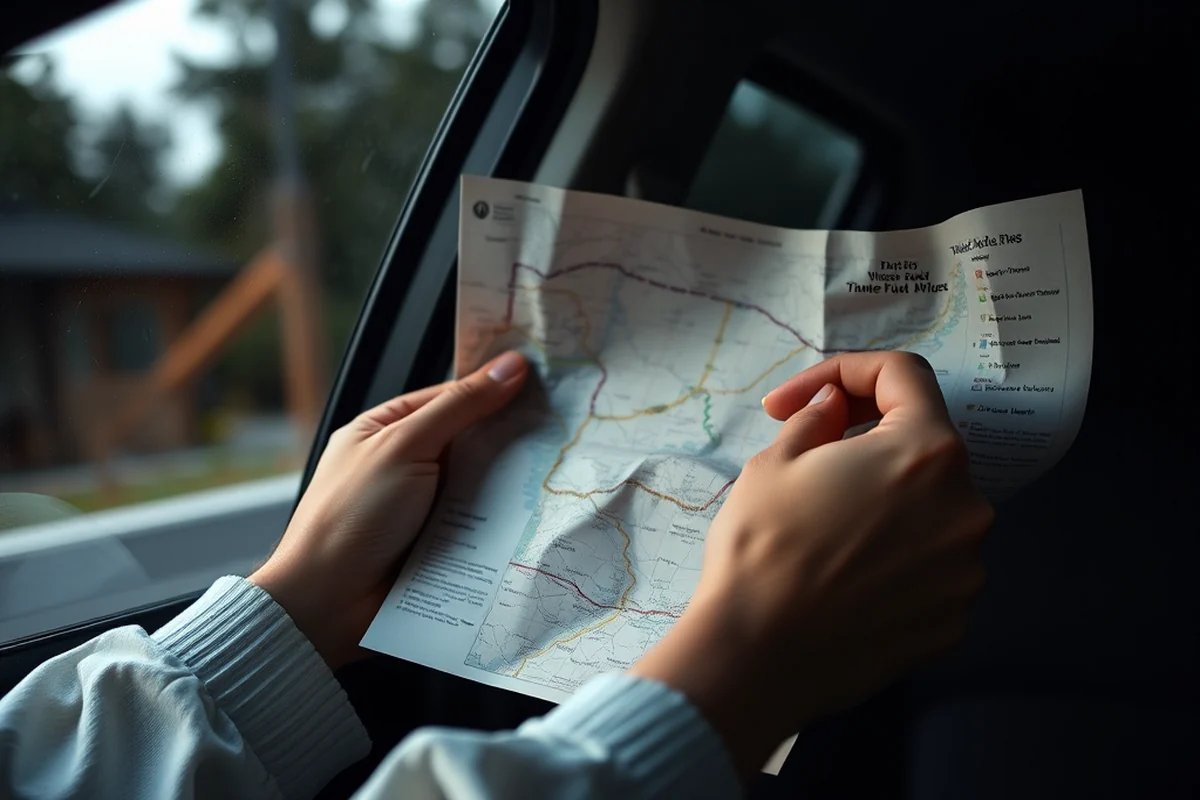
I’ve landed some of my best assignments through word of mouth and personal connections. A few years ago, I was contacted by a travel magazine after I posted a series of shots from a trip to New Zealand. It was my portfolio that caught their eye. The lesson here is clear—your portfolio is your business card.
In addition to online platforms like Behance and 500px, I also recommend joining photography forums and social media groups where outdoor photographers share their work and collaborate on projects. These communities are a goldmine of opportunities and mentorship.[4]
Another tip I’ve found useful is to reach out directly to travel brands and outdoor adventure companies. They often need visual content for their websites, brochures, and marketing campaigns. A well-crafted email with a sample of your work can open the door to a collaboration.
Your portfolio is your business card.
Related: Travel photography fujifilm
Related: Travel photography documentary
Related: Best travel photography gear
Related: Travel photography courses near me
The Best Seasons and Times to Shoot
I’ve learned that the golden hours—just after sunrise and just before sunset—are the most magical for landscape photography. The light is soft, the shadows are long, and the colors are more vivid. These are the times I always try to shoot, even if it means waking up before dawn.
Seasons also play a big role. For example, spring is ideal for wildflower photography, while winter offers a stark, minimalist beauty that’s perfect for dramatic shots. I once shot a series of images in the Swiss Alps during a snowstorm, and the result was a collection of images that stood out in my portfolio.
It’s also important to consider the weather. A light drizzle can create a moody, atmospheric feel, while a clear sky can offer sharp, clean images. I’ve found that the best shots often come when the conditions are a little unpredictable.
Whenever possible, plan your shoots around the golden hours. I’ve found that the light during these times adds a magical quality to my images that no filter can replicate.
“There's something electric about standing on a mountain ridge at dawn, the first light spilling over the peaks, your camera in hand and your heart…”— Adventure Travel Photography editors
Related: Travel photography for sale
Related: Travel photography film
Related: How much to charge for travel time photography
The Equipment You’ll Need
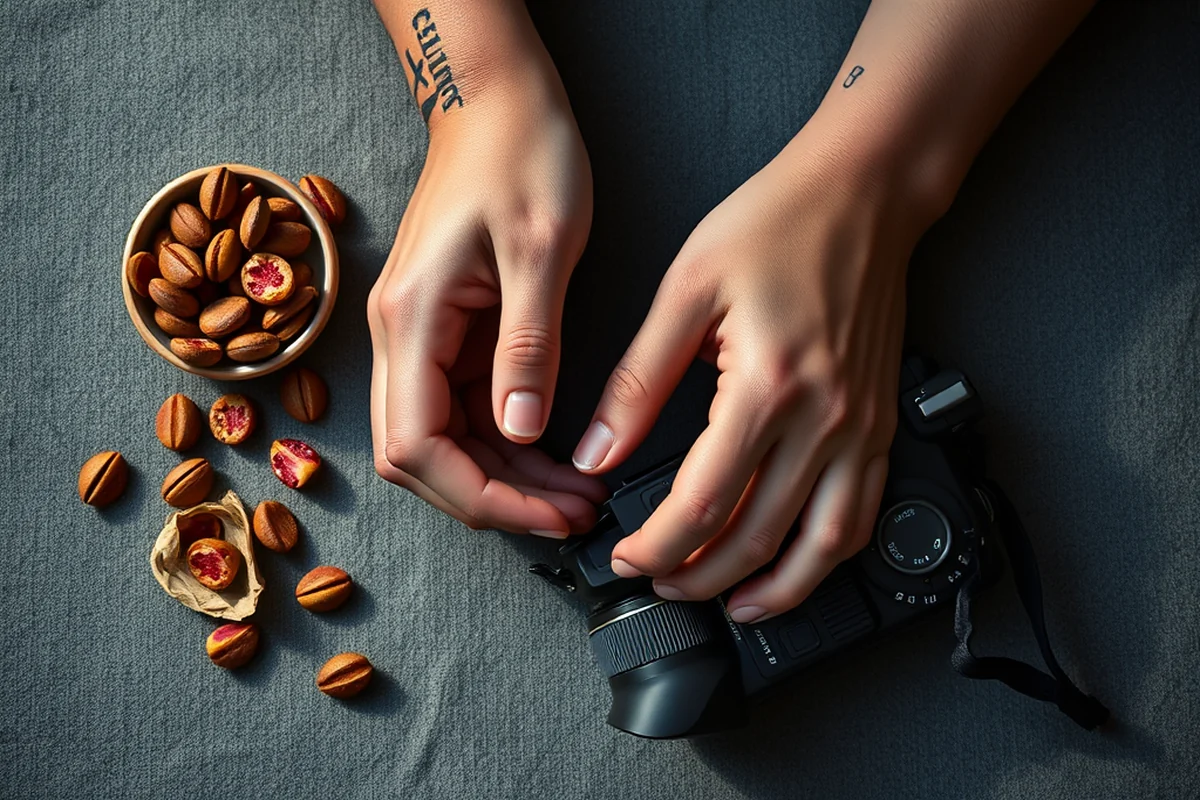
I always carry a weather-sealed DSLR camera. It’s crucial to protect your equipment from the elements, especially when you’re on long hikes or in the rain. I’ve had to replace a lens once when it wasn’t properly sealed, and it was a costly mistake.
In addition to a sturdy camera body, I recommend investing in a high-quality wide-angle lens for landscapes and a telephoto lens for wildlife photography. A tripod is also essential for long exposure shots, especially in low light conditions.[5]
I’ve also found that having a backup battery and extra memory cards is a lifesaver. I once had to cut short a shoot in Iceland because my battery died, and I didn’t have a backup. It was a lesson learned the hard way.
Related: What is travel photography
Related: Travel photography how to
Building Your Brand as an Outdoor Photographer
I’ve built my brand by consistently posting high-quality images on social media and maintaining a strong online presence. My Instagram feed is a mix of my work from around the world, and it’s helped me attract a following of adventure enthusiasts and travel brands.
I also make sure to have a professional website that showcases my portfolio, my experience, and the kinds of projects I’m interested in. It’s a great tool for networking and attracting clients.
Another important part of building your brand is having a clear visual style. Whether you lean towards documentary-style photography or more artistic, editorial shots, consistency is key. This helps people recognize your work and know what to expect from you.
Related: Travel for photography
Related: Travel camera guide
The Financial Side of Outdoor Photography Jobs
I’ve had clients pay as little as $200 for a single image and as much as $5,000 for a full shoot. The variation can be huge, and it depends a lot on the client’s budget and the complexity of the shoot.
I’ve found that the best way to ensure a steady income is to diversify your sources of work. I take on assignments from travel magazines, outdoor brands, and even offer private shoots for individuals. This helps create a more stable revenue stream.
Another thing to consider is the cost of travel. A single assignment can involve thousands of dollars in travel and accommodation. I’ve had to budget carefully and sometimes rely on sponsorships or partnerships to cover these costs.
Diversify your income streams to create financial stability.
Related: Travel photography gallery
Related: Travel photography career
The Impact of Outdoor Photography on Conservation
I’ve had the opportunity to work with conservation organizations and national parks to document their efforts. These projects not only help raise awareness but also provide a platform for my work to reach a wider audience.
One of my most impactful projects was a series I did in the Galápagos Islands. I photographed the local wildlife and the conservation efforts in place. The images were used in a campaign that helped protect the islands from over-tourism.
This kind of work is incredibly rewarding. It’s not just about taking pictures—it’s about making a difference and helping preserve the natural world for future generations.
Navigating the Legal and Ethical Landscape of Outdoor Photography Jobs
When working on public lands, I always check with the managing agency — in the U.S., that’s often the Bureau of Land Management or the National Park Service — to ensure I have the proper permits. For example, in Utah’s Arches National Park, I once had to apply for a $150 permit to shoot in a remote area, and it took three weeks to process. Knowing these requirements beforehand can save time and prevent costly delays.
Ethically, I make a point to follow Leave No Trace principles, which include packing out all trash and avoiding disturbances to wildlife. During a recent shoot in Banff National Park, I noticed a trail camera left behind by another photographer. I reported it to the park rangers, who later issued a warning to the individual responsible. This highlights the importance of respecting local regulations and environmental guidelines.
In some regions, like the Galápagos Islands, photography permits are required for certain species or locations. I once had to pay a $200 fee to photograph the Galápagos tortoise in their natural habitat. This not only covers the cost of conservation efforts but also ensures that photographers are contributing to the preservation of these unique ecosystems. Being aware of and compliant with these rules is a key part of the job.
🌄 Budget Adventure
An affordable trip that focuses on exploring lesser-known trails and capturing the beauty of nature without breaking the bank.
🥾 Long Weekend Escape
A quick trip designed for those with limited time, featuring a mix of photography and relaxation in beautiful natural settings.
👨👩👧👦 Family Adventure
A trip tailored for families, combining outdoor photography with kid-friendly activities and learning opportunities in nature.
❄️ Off-Season Journey
An adventure that takes advantage of the unique beauty of the off-season, when the trails are less crowded and the landscapes are transformed.
🛏️ Luxury Retreat
A high-end trip featuring exclusive access to pristine locations, top-tier accommodations, and private photography sessions with expert guides.
| The mistake | Why it happens | The fix |
|---|---|---|
| Not researching the local terrain and weather conditions. | This can lead to missed opportunities and even dangerous situations. | Always study the area before you go. Use online resources and reach out to local guides for advice. |
| Overlooking the importance of a backup camera and equipment. | A single malfunction can ruin a shoot and cost you a client. | Always carry a backup camera and extra batteries, memory cards, and lenses. |
| Failing to build a strong portfolio. | Clients need to see your work before they invest in your services. | Dedicate time to curating a portfolio that showcases your best work and your unique style. |
| Not networking with the right people. | Many outdoor photography jobs come through word of mouth and personal connections. | Join photography communities, attend industry events, and follow up with potential clients through social media and email. |
Outdoor Photography Jobs
Common Questions
What kind of photography experience do I need to start in this field?
How can I find clients for my outdoor photography?
What are the best ways to prepare for an outdoor photography job?
How do I price my outdoor photography services?
Cite this guide
Adventure Travel Photography (2026). Outdoor Photography Jobs. https://pathwayreal.com/outdoor-photography-jobs/
Feel free to cite or share this guide.
References
- Jobs at the BioPark - City of Albuquerque (cabq.gov)
- A Day in the Life of York River State Park: How to Get a Job (dcr.virginia.gov)
- Careers In Environmental Conservation - NYSDEC (dec.ny.gov)
- Finding the right angle: INL employees' skills transfer from ... (inl.gov)
- Campus Photographer - Charlotte, North Carolina, United States (jobs.elon.edu)