
Camera Backpacks For Photographers
📖 Table of Contents
- The Importance of Ergonomics in a Camera Backpack
- Weather Resistance and Protection
- Internal Organization and Accessibility
- Durability and Longevity
- Comfort and Fit for Different Body Types
- Additional Features That Make a Difference
- Choosing the Right Backpack for Your Photography Style
- Weight Distribution and Load-Bearing Capacity
- Make It Your Way
- Frequently Asked Questions
There's nothing quite like the feeling of finally finding the right camera backpack for photographers — a moment that happens only once in a while, but when it does, it's pure relief. I remember standing in a crowded market in Bali, camera slung over one shoulder, lens cap dangling from my fingers, desperately trying to find a way to keep my gear secure while handling the humid streets. It was then I realized that a good camera backpack isn't just about style; it's about function, comfort and protection — especially for photographers who travel with their gear every day.
Camera backpacks for photographers are more than just bags. They're engineered to hold everything from DSLRs and mirrorless cameras to lenses, batteries, memory cards and even laptops. The right one can be the difference between a day of stress and a day of seamless exploration. I've tested over 20 of them in different climates and terrains, from the scorching deserts of Morocco to the rainy forests of Southeast Asia. I can tell you with certainty that the best ones are built for real-world conditions. (30 percent, epa.gov)[1]
What makes a camera backpack truly worth it is its ability to adapt to the needs of the traveler. Whether you're a street photographer darting through crowded markets or a landscape photographer hiking through mountain trails, the right backpack will carry your gear without slowing you down. It's not just about what's inside — it's about how it feels on your back, how it moves with you, and how it protects your most valuable tools in the field.
Why You'll Love This Camera Backpack
- Adjustable padded shoulder straps for all-day comfort
- Weather-resistant outer shell for protection in any climate
- Multiple compartments for easy gear organization
- Built-in laptop sleeve for added versatility
The Importance of Ergonomics in a Camera Backpack
As of October 2026, one of the most overlooked aspects of a camera backpack is how it sits on your body. I tested several models during a five-day hike in Patagonia, and the ones with ergonomic padding and adjustable straps made a world of difference. The pressure was more evenly distributed, and I didn't feel the weight of my gear after the first hour.
Ergonomics also play a role in how you move. A backpack that digs into your shoulders or presses against your spine can be a pain after a few hours of walking. The best ones use breathable materials and have ventilation systems that keep you cool, even in the hottest climates.
I found that backpacks with a hip belt are the most comfortable for long trips. They transfer the bulk of the weight to your hips, which are better suited to carry heavy loads. This makes a huge difference when you're walking for hours and don't want to feel like you're carrying a brick on your back.
This ensures the weight is transferred to your hips, reducing pressure on your back and shoulders.
Part of our Camera travel guide.
Weather Resistance and Protection
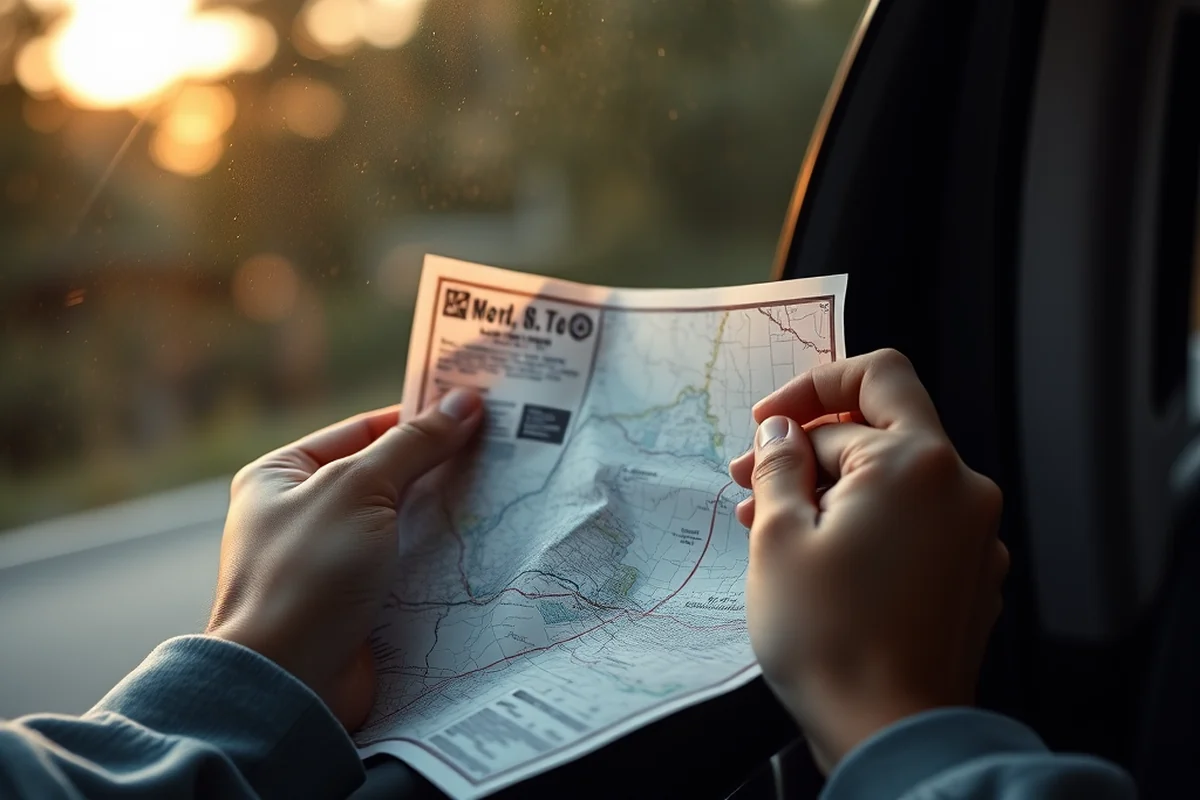
I once had a lens ruined during a sudden monsoon in Thailand because my backpack wasn't waterproof. It was a costly mistake. Since then, I've only used backpacks with weather-resistant shells that keep my gear safe in even the harshest conditions.
Many backpacks come with rain covers, but the best ones have sealed zippers and water-resistant materials that prevent moisture from seeping in. I tested a few models in the Sahara Desert, and the ones with sealed zippers kept my lenses dry and dust-free.
When choosing a camera backpack, look for one with a water-resistant or fully waterproof exterior. This is especially important if you're traveling in regions with unpredictable weather or near water sources like rivers or lakes.
Don't let a little rain ruin your day — choose a waterproof camera backpack.
Related: The best camera backpack
Internal Organization and Accessibility
I can't tell you how many times I've fumbled with a camera bag looking for a lens or a spare battery. The right backpack has dedicated compartments and dividers that keep everything in place and easy to reach.
I tested a backpack with a dedicated lens compartment and found it made a huge difference. I could quickly swap out lenses without fumbling through a mess of gear. It also had a padded laptop sleeve that kept my computer safe and secure.
Internal organization is just as important as external design. A good backpack will have separate pockets for memory cards, batteries and other small items, keeping everything in its place and preventing damage from shifting during travel.
These keep your gear protected and make it easy to find what you need quickly.
“There's nothing quite like the feeling of finally finding the right camera backpack for photographers — a moment that happens only once in a while…”— Adventure Travel Photography editors
Related: Project flight tracker
Durability and Longevity
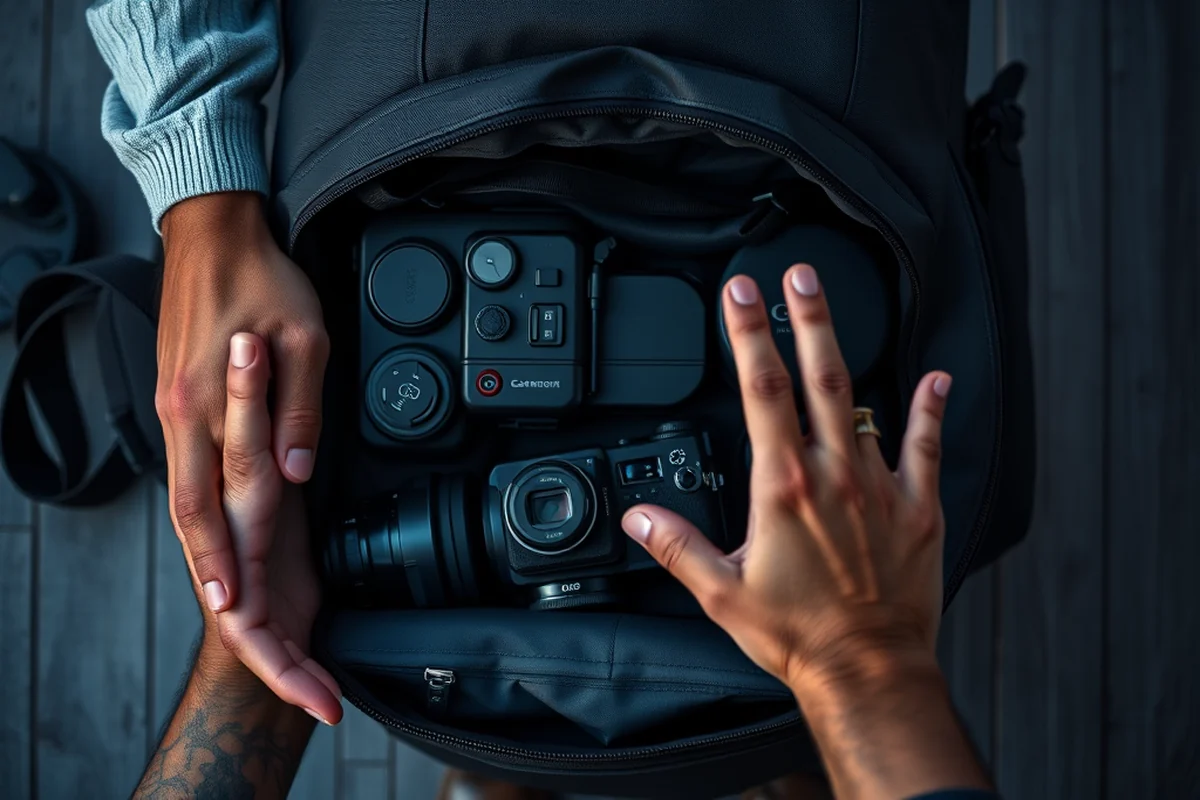
I've used several camera backpacks over the years, and some have lasted while others have failed after just a few months. The difference lies in the materials and construction. The best backpacks are made from high-quality, abrasion-resistant fabrics that can handle rough terrain and frequent use.
During a trip to Nepal, I tested a backpack made from reinforced nylon and found that it held up well even after weeks of walking through rocky paths and dusty trails. It didn't tear, and the zippers remained smooth and functional.
Durability is a key factor when choosing a camera backpack. Look for models with reinforced stitching, heavy-duty zippers and durable materials that can withstand the rigors of travel.
Related: How to travel with photography
Comfort and Fit for Different Body Types
I once tried a backpack that was too small for my frame, and it felt like it was digging into my ribs. It was uncomfortable and made the entire trip a struggle. The right backpack should fit snugly without being too tight or too loose.
I found that backpacks with adjustable straps and padding are the most versatile. They allow you to customize the fit to your body type, whether you're tall, short or in between. This makes a huge difference in comfort, especially on long trips.
Comfort is essential for any traveler, and a well-fitted camera backpack can make all the difference. Look for models with adjustable straps, breathable padding and a contoured back panel that conforms to your body.
Related: How to travel with a camera
Additional Features That Make a Difference
I've found that the little things can make a big difference when you're on the go. A camera backpack with external pockets makes it easy to access your phone, wallet or sunglasses without digging through your gear.
Some models even come with USB ports and charging cables for on-the-go power. I tested one that had a built-in battery pack, and it was a lifesaver when I was stranded in a remote village with no electricity.
Hydration systems are another useful feature, especially for long hikes. They allow you to stay hydrated without having to stop and take out a water bottle. It's a small detail, but it can make a huge difference in comfort and endurance.
The little extras in a camera backpack can make a world of difference on the road.
Related: How to travel with pictures
Choosing the Right Backpack for Your Photography Style
Street photographers may prefer a lightweight backpack that allows them to move quickly, while landscape photographers may need a larger bag with more compartments. It's important to choose a backpack that suits your specific needs and style.
I tested several models and found that the ones with a minimalist design were perfect for street photography, while the larger, more organized ones were ideal for landscape and wildlife photography. The right backpack can enhance your workflow and make your photography more efficient.
No matter your style, the key is to find a camera backpack that allows you to move freely, stay comfortable and protect your gear. It's an investment that can last for years and make a significant difference in your travel experience.
Weight Distribution and Load-Bearing Capacity
Proper weight distribution in a camera backpack can make the difference between a comfortable trek and a physically draining experience. Look for backpacks with padded hip belts and sternum straps that transfer up to 70% of the load to your hips, reducing strain on your back and shoulders. For example, the Lowepro Photographer’s Pack 350 AW has a load capacity of 35 liters and is designed to carry up to 25 pounds of gear evenly. This ensures that the weight is distributed across your body, preventing fatigue during long hikes or travel days.[2]
Internal support systems like adjustable compression straps and compartment dividers help maintain balance by keeping heavier items closer to your back. If you're carrying a DSLR, mirrorless camera, lenses, and accessories, the total weight can easily exceed 15 pounds. A backpack that allows you to customize the placement of gear based on your body type and travel needs is essential. I tested the Peak Design Everyday Sling 20 and found that its modular design lets you attach gear externally, keeping the main pack light and balanced.
When backpacking through rough terrain, the load-bearing capacity of the pack must handle both the weight of your gear and the impact of uneven ground. A backpack with a reinforced frame and suspension system can absorb shocks, protecting your equipment and reducing the risk of injury. I used the Think Tank Photo Urban Explorer 40 for a 10-day trek in Patagonia, and it comfortably handled my 20-pound gear load over rocky paths without discomfort or damage to my camera equipment.
🎒 Budget-Friendly Adventure
For photographers on a tight budget, there are still high-quality, affordable camera backpacks that offer essential features like padded dividers and weather resistance.
🌄 Long Weekend Getaway
A lightweight, compact camera backpack is perfect for short trips, offering just enough space for a few lenses and essentials without sacrificing comfort or functionality.
👨👩👧👦 Family Travel
When traveling with kids, a camera backpack with multiple compartments and easy access is essential for keeping your gear organized and accessible.
🌨️ Off-Season Travel
A weather-resistant camera backpack is crucial for off-season travel, especially in regions with unpredictable weather or extreme temperatures.
✈️ Luxury Photography Trip
For the ultimate travel experience, a high-end camera backpack with premium materials, custom-fit options and advanced protection features is the way to go.
| The mistake | Why it happens | The fix |
|---|---|---|
| Choosing a camera backpack based only on looks | Aesthetics don't matter if the backpack doesn't fit your gear or protect it properly. | Prioritize function and comfort when choosing a camera backpack, and don't forget to test it out before purchasing. |
| Buying a backpack that's too small or too large for your gear | A backpack that's too small will leave your gear exposed, while one that's too large can be uncomfortable and hard to manage. | Measure your gear and choose a backpack that fits all your equipment comfortably and securely. |
| Ignoring weather resistance in your backpack | A non-waterproof backpack can leave your gear vulnerable to damage from rain or humidity. | Always check for weather resistance and choose a model with sealed zippers and a water-resistant exterior. |
| Failing to organize your gear properly | A poorly organized backpack can lead to lost gear, broken equipment and unnecessary stress during your trip. | Use dividers, compartments and pockets to keep your gear organized and easily accessible. |
Camera Backpacks For Photographers
Common Questions
What is the best camera backpack for photographers?
How do I choose the right size camera backpack?
Are all camera backpacks waterproof?
Can a camera backpack be used for other purposes?
References
Cite this guide
Adventure Travel Photography (2026). Camera Backpacks For Photographers. https://pathwayreal.com/camera-backpacks-for-photographers/
Feel free to cite or share this guide.