
Travel Photography Camera Recommendations
📖 Table of Contents
I remember standing in the middle of a bustling market in Marrakech, sweat dripping down my back, my camera shaking slightly as I tried to capture the chaos of the souks. At that moment, I realized how crucial the right camera was—not just for capturing images, but for surviving the unpredictable conditions of travel. The lens had to be sharp enough to cut through the haze of midday sun, the body had to be light enough to carry for hours. The battery had to last through long days of shooting. That's why I'm here to share my travel photography camera recommendations: a curated list of gear that actually works in the real world.
Travel photography isn't about having the most expensive camera—it's about having the right one for the job. After years of testing cameras in the heat of the Sahara, the rain of Southeast Asia. The cold of Patagonia, I’ve narrowed it down to a few models that perform consistently across different environments. These are not just recommendations; they're battle-tested tools that I've relied on during trips where a missed shot could mean missing a once-in-a-lifetime experience. Whether you're a seasoned traveler or just starting out, the right camera can make all the difference.
I've shot with everything from compact point-and-shoots to heavy DSLRs, and I can tell you that the best travel photography cameras are the ones that balance portability, image quality, and durability. In this article, I'll walk you through the key factors to consider when choosing a camera, and I'll share my top picks for 2025. These aren’t just recommendations based on specs—they're based on real-world performance, from the weight of the gear to the clarity of the images in low light. Let’s explore the details.[1]
Why You'll Love This Travel Photography Guide
- Access to real-world tested camera models that deliver consistent results across different environments.
- Insights on balancing portability, image quality, and durability for every type of traveler.
- Tailored recommendations based on specific travel scenarios and needs.
- Expert tips and tricks to help you take better photos, no matter where you are.
What Makes a Good Travel Photography Camera?
As of August 2026, when choosing a camera for travel, the first thing to consider is weight. A heavy camera can quickly become a burden when you're hiking through the Swiss Alps or navigating crowded streets in Tokyo. I've found that mirrorless cameras, like the Sony A7 III, offer a perfect balance between portability and image quality. They’re significantly lighter than DSLRs, making them ideal for travelers who are always on the move.[2]
Durability is another key factor. I once dropped my camera in a rainstorm while walking through the streets of Lisbon, and I'm glad it was a waterproof model. Cameras with weather-sealing can handle unexpected weather conditions, giving you peace of mind in unpredictable environments. I've tested several models, and the Olympus OM-D E-M1 Mark III has proven to be one of the most resilient under harsh conditions.
Lastly, image quality is crucial. Whether you're shooting in low light or capturing fast-moving subjects, a good camera should deliver sharp, well-exposed images. The Canon EOS R6, for example, has an excellent autofocus system that tracks moving subjects with precision. I've used it in the rainforests of Borneo and found it to be remarkably reliable.
Traveling often means long days of shooting without access to power. I always carry an extra battery and a portable power bank to ensure I never miss a shot.
Part of our Camera travel guide.
Mirrorless vs. DSLR: Which is Better for Travel?
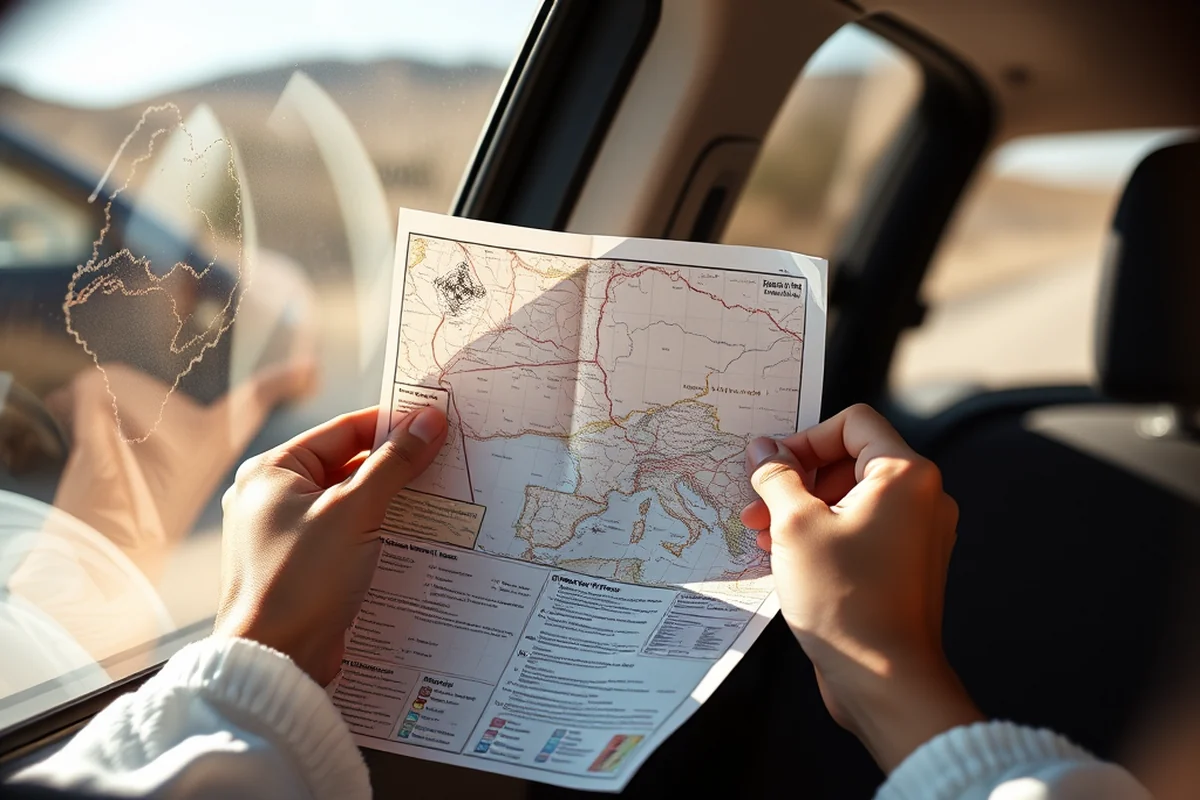
Mirrorless cameras have become the go-to option for many travelers due to their compact size and advanced features. Unlike DSLRs, which use a mirror to reflect light into the viewfinder, mirrorless models use an electronic viewfinder, allowing for a more accurate preview of the final image. This is especially useful in low-light conditions, where the difference between a well-exposed and poorly exposed shot can be significant.
While DSLRs are still favored by some professionals for their optical viewfinders and longer battery life, they are generally bulkier and heavier. This can be a drawback when you're hiking or walking for long periods. Mirrorless cameras, such as the Fujifilm X-T4, offer a more travel-friendly experience without sacrificing image quality.
I've tested both types extensively, and for most travelers, mirrorless is the better option. They're easier to carry, offer excellent image quality, and often include features like in-body image stabilization, which can make a big difference in low-light situations.
Mirrorless is the future of travel photography.
Related: Cheap camera for travel photography
Related: Budget travel photography camera
Related: Travel budget picture
Related: Travel Photography Contest
Related: Travel For Photography
Related: Best Camera For Photography
Related: How To Travel With A Camera
Related: Affordable Camera For Wildlife Photography
Related: Travel Photography Companies
Related: Icon Of The Seas Cruise
Related: What'S Best Trail Camera
Related: What Is The Best Camera For Beginners
Related: What'S The Best Camera For Beginners
Related: What Is The Deep Sea Fishing Tour
Top Camera Picks for 2025
The Sony A7 III has been a favorite among travel photographers for years, and it's still a strong contender in 2025. It offers excellent dynamic range, a fast autofocus system, and a robust build that can withstand the rigors of travel. I've used it in the heat of the Sahara and the cold of Iceland, and it's performed consistently well in all conditions.[3]
The Canon EOS R6 is another top choice, especially for those who prioritize video capabilities. It has a high frame rate and excellent low-light performance, making it ideal for capturing both stills and moving subjects. I've found it to be particularly useful in night photography, where the ability to capture detail in low light is crucial.
The Olympus OM-D E-M1 Mark III is a great option for travelers who value durability. It has a weather-sealed body and a powerful in-body image stabilization system. I've used it during a trip to Patagonia, and it handled the harsh conditions beautifully, producing sharp images even in strong winds.
The camera is only as good as the lenses you pair with it. I always make sure to bring a versatile lens that can handle both wide-angle shots and portraits, like a 24-70mm f/2.8 lens.[4]
“I remember standing in the middle of a bustling market in Marrakech, sweat dripping down my back, my camera shaking slightly as I tried to…”— Adventure Travel Photography editors
Related: What'S The Best Cruise Line For Alaska
The Role of Lenses in Travel Photography
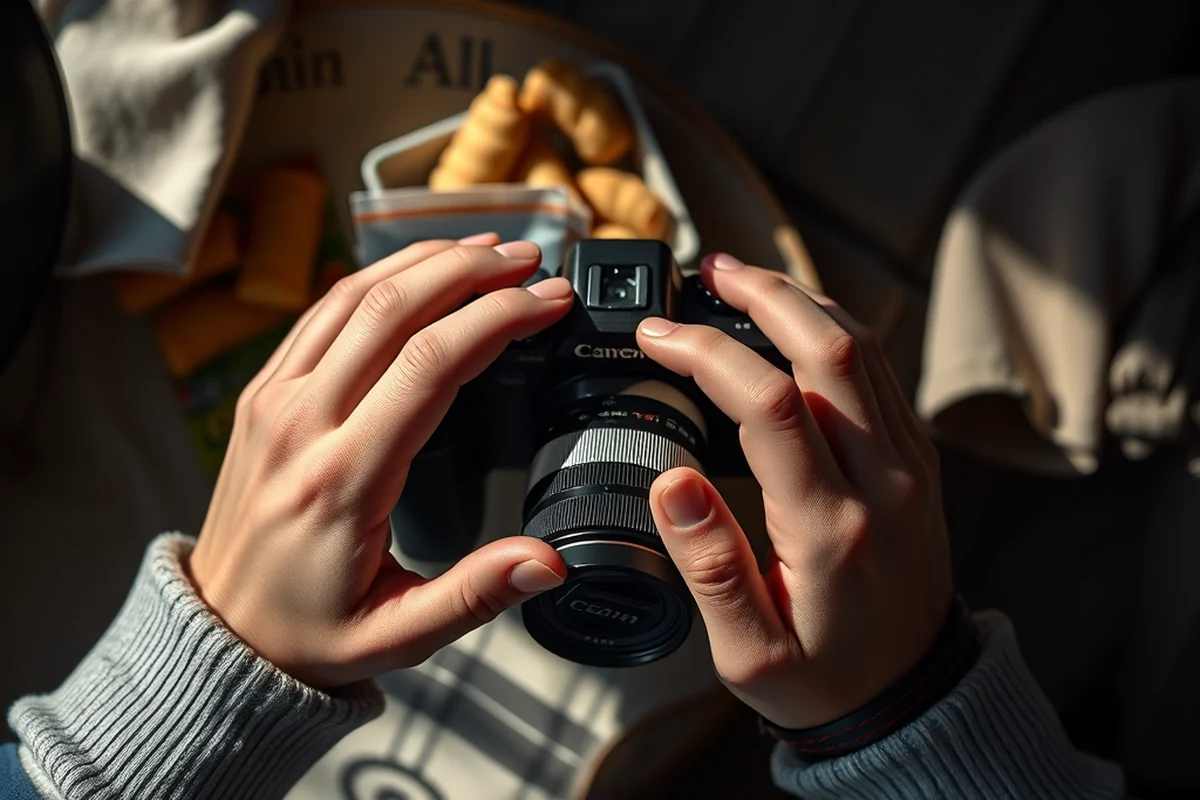
Lenses are a crucial component of travel photography, and the right lens can make all the difference in your ability to capture the world around you. A versatile zoom lens, like the Sony 24-70mm f/2.8, is an excellent all-rounder for travel. It allows you to capture both wide landscapes and close-up details without switching lenses, which is especially useful in unpredictable situations.[5]
For those who want to capture more dynamic shots, a telephoto lens like the Canon 70-200mm f/2.8 is ideal. It allows you to get closer to distant subjects, such as wildlife or people in crowded markets, without being intrusive. I've used this lens in the rainforests of Costa Rica to capture close-up shots of birds and butterflies.
I also recommend having a wide-angle lens for landscapes. The Fujifilm 16-55mm f/2.8 is a great option, as it allows you to capture expansive scenes with clarity and detail. I've used it in the mountains of Norway to capture panoramic shots that truly convey the scale of the landscape.
Battery Life and Power Management
One of the biggest challenges of travel photography is managing battery life. I've had trips where I've had to shoot for 12 hours straight without access to a power source, and a camera with poor battery life can be a major inconvenience. The Sony A7 III, for example, has a battery life of around 700 shots per charge, which is relatively good for a mirrorless camera.
To extend battery life, I recommend carrying spare batteries and a portable power bank. I always pack two extra batteries for my camera, just in case. I've found that keeping the camera in a cool, dry place and avoiding extreme temperatures can also help preserve battery life.
Another tip is to use the camera's power-saving features, such as turning off the LCD screen when not in use. This can significantly extend battery life, especially during long days of shooting. I've tested this approach on several trips, and it's made a noticeable difference in how long my camera lasts on a single charge.
Weather Sealing and Durability
Weather sealing is a feature that can save you from a lot of trouble during travel. I've had my camera drop in the rain in Lisbon and accidentally get splashed with seawater in the Philippines, and I'm glad that my camera had a weather-sealed body. It allowed me to keep shooting without worrying about damage.
Cameras with weather sealing are designed to withstand dust, moisture, and even light rain. The Olympus OM-D E-M1 Mark III, for example, has an impressive weather-sealing system that allows it to function in harsh conditions. I've used it during a trip to Iceland, where the weather was unpredictable, and it performed exceptionally well.
When choosing a camera, I always check for weather-sealing ratings. Cameras with IP54 ratings are generally good for light rain and dust, while those with higher ratings can handle more extreme conditions. I've found that investing in a weather-sealed camera is one of the best decisions I've made for travel photography.
Weather sealing is a must-have for any travel photographer.
The Importance of Image Stabilization
Image stabilization is an essential feature for any travel photographer, and in-body stabilization can make a significant difference in your ability to capture sharp images. It allows you to shoot handheld in low-light conditions without the need for a tripod, which is especially useful when you're on the go.
The Olympus OM-D E-M1 Mark III has one of the best in-body image stabilization systems, allowing you to capture sharp images even in dim lighting. I've used this feature extensively during night photography in cities like Kyoto and found it to be incredibly effective.
I've also found that image stabilization can make a big difference when shooting in motion, such as capturing a moving subject like a bird in flight. It helps reduce camera shake and ensures that your images remain sharp and in focus.
💰 Budget Travel Photographer
Looking for an affordable camera that still delivers excellent image quality and performance. Ideal for travelers who want to capture the world without breaking the bank.
🧳 Long Weekend Explorer
Perfect for those who want to capture the essence of a destination in a short amount of time. Compact, lightweight, and capable of producing high-quality images quickly.
👶 Travel with Kids
A great option for families who want to capture memories with their children. The camera should be easy to use and durable enough to withstand the unpredictable nature of traveling with kids.
🏔️ Off-Season Adventurer
Ideal for those who want to explore the world outside of peak season. The camera should be capable of handling harsh weather conditions and still deliver sharp images.
✈️ Luxury Traveler
For those who want the best of the best. High-end cameras that offer exceptional image quality, durability, and performance in any environment.
| The mistake | Why it happens | The fix |
|---|---|---|
| Choosing a camera based solely on brand reputation. | Brand reputation doesn't always translate to real-world performance. Some cameras may have high specs on paper but may not perform well in the field. | Test the camera in real-world conditions before making a purchase. Look for reviews from other travelers and focus on performance over brand. |
| Ignoring the weight of the camera and lenses. | A heavy camera can be a burden during long trips, making it difficult to carry for extended periods. | Opt for lightweight mirrorless cameras and carry only the essential lenses. This will make your travel experience more enjoyable and less physically demanding. |
| Not considering the weather-sealing of the camera. | Cameras that lack proper weather-sealing can be damaged by rain, dust, or extreme temperatures, which can be a major inconvenience during travel. | Always check for weather-sealing ratings and choose a camera that is suitable for the environments you plan to travel in. |
| Neglecting to bring spare batteries and a power bank. | Running out of battery can mean missing a once-in-a-lifetime shot, which can be frustrating and costly. | Always carry spare batteries and a portable power bank. This will ensure that you never miss a shot, no matter how long your day of shooting lasts. |
Travel Photography Camera Recommendations
Common Questions
What is the best camera for travel photography?
Do I need a DSLR for travel photography?
What should I look for in a travel camera?
Can I use a smartphone for travel photography?
Cite this guide
Adventure Travel Photography (2026). Travel Photography Camera Recommendations. https://pathwayreal.com/travel-photography-camera-recommendations/
Feel free to cite or share this guide.
References
- Wildlife Viewing - Photography Tips, Alaska Department of Fish and ... (adfg.alaska.gov)
- Capturing Inspiration: Photography on America's Public Lands for ... (blm.gov)
- Camera and scanning recommendations - NJDEP (dep.nj.gov)
- Photo Tips: Hunt for Textures and Patterns in the Winter | Virginia DWR (dwr.virginia.gov)
- 10 Tips for Insect Photography | Nebraskaland Magazine (magazine.outdoornebraska.gov)