
High Desert Landscape Photography
📖 Table of Contents
- Understanding the High Desert Ecosystem
- Golden Hour: The Photographer’s Best Friend
- Choosing the Right Equipment for High Desert Photography
- Navigating the Terrain: Safety and Preparation
- Capturing the Night: Star Photography in the High Desert
- Finding the Hidden Gems: Exploring Lesser-Known Locations
- Connecting with the Local Community: A Photographer’s Guide
- Make It Your Way
- Frequently Asked Questions
I remember the first time I stood on the cracked, sunbaked earth of the high desert, watching the light ripple across a vast expanse of red rock and wind-sculpted dunes. The sky was a brilliant cobalt, the air dry and electric, and the silence was so profound it felt like the world had paused just for me. This is what high desert landscape photography is about: capturing the raw, unfiltered beauty of a place where time seems to move differently. The light can transform a landscape in a matter of minutes. It's not just about the scenery—it's about the experience of being there, the way the wind feels on your skin, and the way the sun slants across the land like a painter's brush.[1]
High desert landscape photography is more than a hobby; it's a journey into the heart of some of the most visually striking and ecologically unique places on Earth. From the sweeping vistas of Utah’s Moab to the stark beauty of Arizona’s Petrified Forest, the high desert offers endless opportunities for the patient and observant photographer. What sets this type of photography apart is the interplay of light and shadow, the dramatic contrasts between earth and sky, and the way the terrain itself seems to tell a story. If you’re looking to take your photography to a new level, the high desert is a place where your lens can truly come alive. (1860, blm.gov)[2]
My own journey into high desert landscape photography began with a simple goal: to capture the way the sun hits the canyons just before sunset. What I didn't expect was how deeply this pursuit would connect me to the land, the people, and the stories that shape these arid regions. Whether you're an amateur with a smartphone or a seasoned pro with a full kit, the high desert offers something for everyone. It's a place that rewards patience, preparation, and a willingness to embrace the unpredictable. And if you're ready to see the world through a different lens, this is where your journey begins.
Why You'll Love This Adventure
- Experience the unparalleled beauty of high desert landscapes under dramatic lighting.
- Discover hidden gems and lesser-known locations that offer unique photographic opportunities.
- Connect with a community of passionate photographers who share a love for the land.
- Immerse yourself in a landscape that challenges and inspires your creative vision.
Understanding the High Desert Ecosystem
As of October 2026, the high desert is a place of extremes—scorching days, frigid nights, and a landscape that seems to defy the limits of life. Yet, within this harsh environment, there's an incredible resilience. Cacti, succulents, and hardy shrubs thrive in the arid soil, while birds of prey circle overhead, and lizards dart across the cracked earth. As a photographer, understanding this ecosystem is key to capturing the essence of the landscape. I’ve learned that the best images often come from waiting for the right light, or watching for the subtle changes in the terrain that only occur under the right conditions.
One of the most striking aspects of the high desert is its ability to change dramatically with the time of day. At sunrise, the land glows with a warm golden light, casting long shadows that add depth and dimension to every rock and ridge. By midday, the sun’s harsh rays can make the landscape appear almost lifeless, but by sunset, the light softens again, creating a magical interplay of color and shadow. This is why I always recommend arriving early and staying late—because the best images are often found in the hours when the light is most dramatic.
The ecosystem of the high desert is also a living storybook. I once spent an entire day photographing a group of bighorn sheep as they navigated a steep canyon, their hooves making soft thuds against the rock. It was a humbling reminder of how small we are in the grand scale of nature. This kind of encounter, while rare, can be incredibly rewarding for photographers who are willing to observe and wait for the right moment.
Keep an eye out for native wildlife like lizards, snakes, and birds of prey, as they can add dynamic elements to your compositions.
Golden Hour: The Photographer’s Best Friend
There's a reason the golden hour is the most coveted time for photographers: it's when the light is at its most magical. In the high desert, this hour—roughly the first hour after sunrise and the last hour before sunset—can turn an ordinary landscape into something otherworldly. I've seen entire valleys glow in a soft, golden hue, with the sun's rays filtering through the clouds and casting long, dramatic shadows across the land. It's during these moments that the high desert truly comes alive.
The golden hour is especially powerful in the high desert because of the way the light interacts with the landscape. The dry air allows the sun's rays to travel further, creating a soft, diffused light that can make even the most rugged terrain appear serene. This is the time when I like to capture long exposures, as the light can create a sense of motion and timelessness in the image. I've taken some of my best shots during this time, and I always recommend arriving early to secure the best vantage points.
One of the most memorable golden hour sessions I've had was in the Painted Desert, where the sun's rays painted the rock formations in a range of colors from deep red to soft orange. The light was so warm and intense that I almost felt like I was standing in a painting. It's a reminder that the high desert is not just a place to photograph—it's a place to experience, and the golden hour is the perfect time to do just that.
Golden hour in the high desert is not just a time of day—it's a state of mind.
Related: What is landscape photography about
Choosing the Right Equipment for High Desert Photography
The high desert can be a challenging environment for photographers, with extreme temperatures and unpredictable weather. That's why choosing the right gear is essential. I always carry a sturdy tripod for long exposures and a wide-angle lens to capture the vastness of the landscape. A polarizing filter is also a must, as it can help reduce glare and enhance the colors of the sky and rocks. These are the tools that have helped me capture some of the most striking images of the high desert.
In addition to the basics, I like to bring a lightweight camera body and a few lenses that can handle the harsh conditions. I've found that using a lens with a good zoom range can be particularly useful for capturing distant subjects like mountains or wildlife. It's also important to bring extra batteries, as cold temperatures can drain them quickly. I've learned the hard way that forgetting to bring spare batteries can be a major setback, especially when you're in the middle of a remote location.
Another piece of advice I'd give is to invest in a good lens hood. The high desert can be bright and sunny, and without a lens hood, it's easy to get lens flare that can ruin your shots. I've also found that a remote shutter release is helpful for long exposures, especially when the wind is strong and you don't want to touch the camera. It's these small details that can make all the difference in your photography.
A lens hood is an essential piece of gear that helps reduce lens flare and protect your lens from the harsh desert sun.
“I remember the first time I stood on the cracked, sunbaked earth of the high desert, watching the light ripple across a vast expanse of…”— Adventure Travel Photography editors
Related: What is landscape pictures
Navigating the Terrain: Safety and Preparation
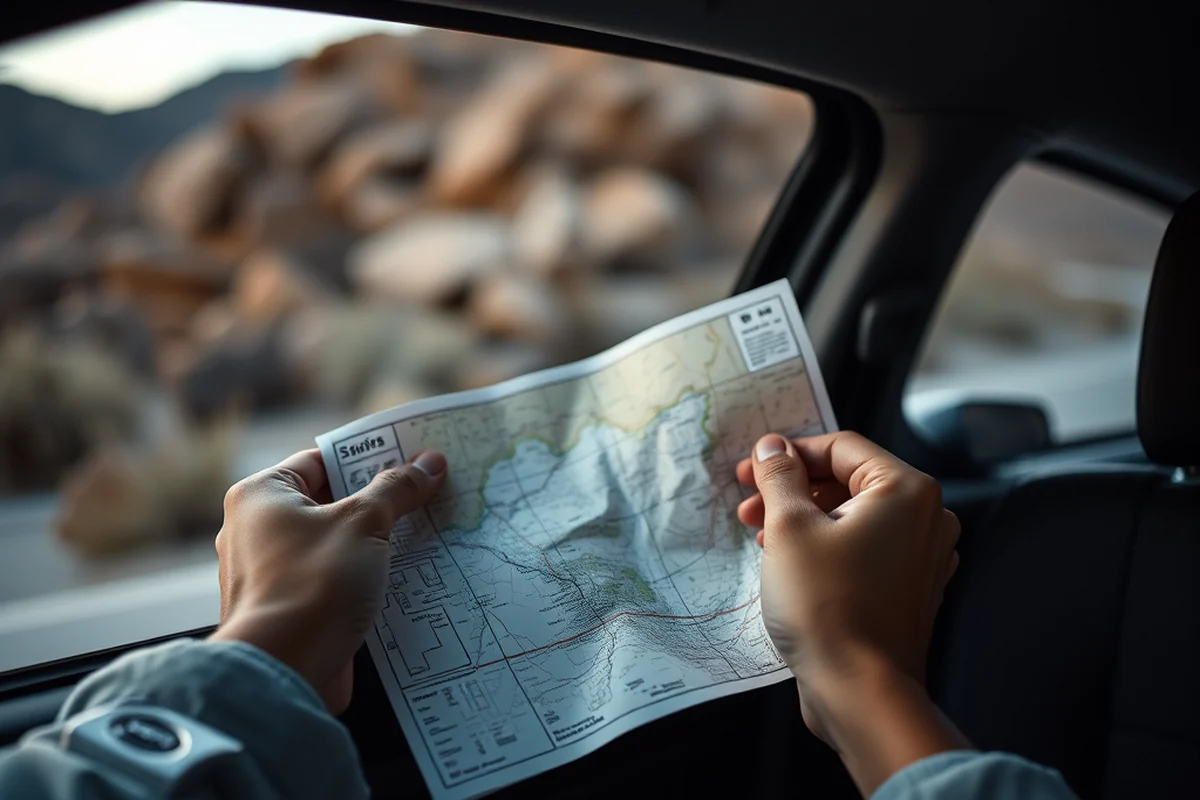
The high desert can be a beautiful but unforgiving place, and proper preparation is essential for any photographer who wants to explore it safely. I always make sure to carry a first-aid kit, plenty of water, and a map of the area. The terrain can be rough, and the sun can be brutal, so it's important to know your limits and not push yourself beyond what you can handle. I've learned that even the most experienced photographers can find themselves in trouble if they're not prepared.
Another key aspect of preparation is understanding the weather patterns in the high desert. I've found that the temperature can change dramatically from morning to night, and I've had to deal with sudden sandstorms that can reduce visibility to near zero. It's a good idea to check the weather forecast before heading out and to be prepared for any changes. I always carry a portable weather radio, and I've found that it can be a lifesaver in the event of an unexpected storm.
In addition to physical preparation, it's important to know the rules of the area you're photographing. Some high desert locations are protected, and it's crucial to follow the rules to preserve the environment. I've learned the hard way that not respecting the rules can lead to fines or even being banned from the area. It's always better to be informed and to approach the high desert with a sense of respect and responsibility.
Related: What s landscape photography
Capturing the Night: Star Photography in the High Desert
One of the most unique aspects of high desert landscape photography is the opportunity to capture the night sky. The high desert is one of the best places in the world for star photography, offering a clear sky and minimal light pollution. I've spent countless nights photographing the Milky Way, and each time, I'm amazed by the way the stars seem to dance across the sky. It's a completely different experience from daytime photography, and the results can be absolutely stunning.
To capture the stars, I always use a wide-angle lens and a fast aperture. I've found that a lens with a focal length of 14mm or 16mm works best, as it allows me to capture a large portion of the sky. A fast aperture, like f/2.8 or f/4, is also important for letting in as much light as possible. I've experimented with different settings, and I've found that a shutter speed of 20 to 30 seconds usually works well for capturing the stars without too much motion blur.[3]
One of my favorite experiences was photographing the Milky Way over a desert canyon, where the stars reflected in the still water of a dry lake bed. It was a surreal moment, and the image I captured is one of my favorites. It's a reminder that the high desert is not just a place to photograph during the day—it's a place where the night sky offers its own unique kind of beauty.
Related: What is urban landscape photography
Finding the Hidden Gems: Exploring Lesser-Known Locations
While the high desert is home to many well-known locations, there are also countless hidden gems that offer unique photographic opportunities. I've discovered some of the most incredible landscapes in places that are far from the beaten path, where the only sounds are the wind and the occasional call of a distant bird. These locations often offer a more intimate experience, with fewer people and a sense of solitude that can be incredibly inspiring.
One of the best ways to find these hidden spots is to talk to local photographers and guides, who often know the best places to capture the essence of the high desert. I've found that the people who live in these areas are often the most knowledgeable about the landscape, and they can offer insights that are invaluable for any photographer. I've also used maps and satellite imagery to identify potential locations, and I've found that the best images often come from the most unexpected places.
Exploring these hidden gems requires a bit of patience and a willingness to venture off the main roads. I've had some of my most memorable experiences photographing in remote locations where the light and the landscape combine in ways that are simply breathtaking. It's these moments that make the high desert such a rewarding place to photograph, and it's the reason why I'm always looking for the next hidden gem to explore.
The best photographs in the high desert are often found in the most unexpected places.
Related: What does landscape photography include
Connecting with the Local Community: A Photographer’s Guide
One of the most rewarding aspects of high desert photography is the opportunity to connect with the local community. The people who live in these areas often have a deep connection to the land, and their knowledge can be incredibly valuable for any photographer looking to capture the essence of the high desert. I've met many local guides who have helped me handle the landscape and understand the stories behind the land. These conversations have not only enriched my photography but also deepened my appreciation for the region.
In some areas, local communities have developed traditions and practices that are closely tied to the high desert. I've had the chance to attend local festivals and events where the people celebrate the land and its resources. These experiences have given me a deeper understanding of the culture and the people who call this place home. I've found that the best photographs are often taken in the places where the people and the land come together in a meaningful way.
Engaging with the local community can also provide opportunities for collaboration and learning. I've worked with local artists and photographers to create projects that celebrate the high desert and its people. These collaborations have been incredibly rewarding, and they've helped me develop a more nuanced approach to my photography. It's a reminder that the high desert is not just a place to photograph—it's a place to connect with. The people who live there can offer insights that are invaluable for any photographer.
🧰 Budget Adventure
Explore the high desert with minimal cost, using public transportation and free or low-cost locations.
🚗 Long Weekend Escape
A quick getaway to the high desert, ideal for photographers who want to capture the landscape in a short time frame.
👨👩👧👦 With Kids
A family-friendly trip to the high desert, with safe and accessible locations for children.
🍂 Off-Season Photography
Capture the high desert during the cooler months when the landscape is less crowded and the light is more diffuse.
🏨 Luxury Stay
Experience the high desert in comfort with a luxury stay that includes guided photography tours and expert advice.
| The mistake | Why it happens | The fix |
|---|---|---|
| Ignoring the weather forecast. | Sudden changes in weather can make conditions dangerous, especially in the high desert where temperatures can fluctuate dramatically. | Always check the weather forecast before heading out and be prepared for unexpected changes in conditions. |
| Not bringing enough water. | Dehydration can occur quickly in the high desert, and it's easy to underestimate how much water is needed for a day of photography. | Bring at least two liters of water per person and plan to take frequent breaks to stay hydrated. |
| Using the wrong lens. | A lens with the wrong focal length can limit your ability to capture the full scope of the high desert landscape. | Use a wide-angle lens with a focal length of 14mm to 16mm to capture the vastness of the landscape. |
| Ignoring the local rules and regulations. | Not following the rules can lead to fines or being banned from the area, and it can also harm the environment. | Always research the rules for the area you're photographing and follow them to ensure a safe and respectful experience. |
High Desert Landscape Photography
Common Questions
What are the best times of day for high desert photography?
Do I need a special camera for high desert photography?
What should I wear when photographing in the high desert?
Are there any rules or restrictions for photographing in the high desert?
References
- Landslide and Land Subsidence Hazards to Pipelines (pubs.usgs.gov)
- Mining in the Southern California Deserts (blm.gov)
- Ground-Based Photographic Monitoring (research.fs.usda.gov)
Cite this guide
Adventure Travel Photography (2026). High Desert Landscape Photography. https://pathwayreal.com/high-desert-landscape-photography/
Feel free to cite or share this guide.